REVIEW · GRAN CANARIA
Gran Canaria: Rum, Wines and Banana Tour
Book on GetYourGuide →Operated by LOW COST Tours Gran Canaria · Bookable on GetYourGuide
A day of Canarian tastes beats the usual sightseeing loop. I especially like the Arehucas rum stop for its sugar-cane story and tastings, and the hands-on mojo canario workshop that turns a sauce lesson into something you actually eat. One thing to plan for: the day runs on group bus timing, so long pick-ups and travel stretches can make it feel like more of a road day than you expect.
From early pickup to the last tasting, the schedule is packed. If you hate waiting around, want frequent bathroom breaks, or dislike lots of walking, you’ll need to manage expectations.
In This Review
- Key things I’d circle on your map
- Gran Canaria tastes: why this tour feels different than a standard day trip
- Getting to the pickup: the one logistics note you should not ignore
- Arehucas rum distillery: sugar cane to tasting flight
- What to watch for
- The Banana Museum: why Gran Canaria’s yellow fruit matters
- A realistic expectation
- Agaete: where the coffee, wines, and sea air reset your brain
- Coffee and wine at the finca
- The setting matters
- Learning mojo canario: turning a symbol into a meal
- Why this stop earns its hype
- Lunch call in Agaete: pay extra or use the time your way
- My advice
- Price and value: how $81 can actually feel fair
- Guides and the human factor: the names that kept showing up
- Who should book this tour, and who might want to skip it
- Should you book the Gran Canaria Rum, Wines and Banana Tour?
- FAQ
- How long is the tour?
- What are the main stops during the day?
- Is lunch included in the price?
- What languages are available for the live guide?
- Where do I need to go for pickup?
- Does the tour always include the rum factory?
- Can I cancel for a refund?
Key things I’d circle on your map
- Arehucas rum tour with real tastings: you can expect a wide range, including some older options (one group reported 40+ year rums).
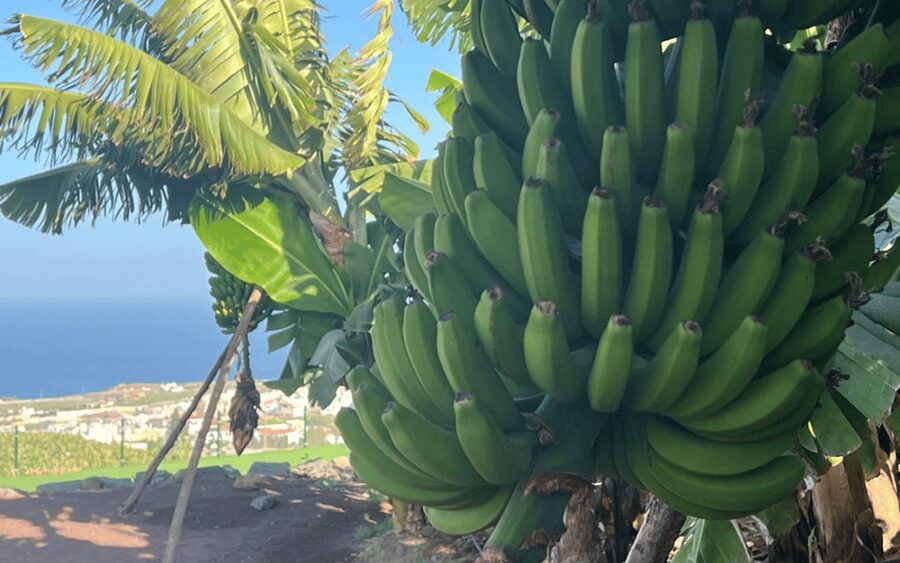
- Banana Museum stop that explains the island’s identity: history, varieties, and how bananas became part of everyday Canarian life.
- Agaete finca time: wine and coffee are paired with the winemaking/planting story, not just poured and moved along.
- Mojo canario workshop: you learn the sauce and then eat it with Canarian potatoes.
- You can skip lunch and still enjoy Agaete’s seaside time, depending on your plan and your pace.
- Bus-style touring: you may be on a full coach, which can feel rushed compared to smaller-group tours.
Gran Canaria tastes: why this tour feels different than a standard day trip
Northern Gran Canaria has a reputation for big food flavor, but it doesn’t always get marketed like the beaches do. This tour takes a very specific angle: fruit (bananas), spirit (rum), and the sauces and sips that show up on Canarian tables.
You’ll spend the day moving through places that each explain one part of the island’s food logic. That matters, because the tastings don’t sit alone. The banana stop explains the crop and why it’s culturally tied to Gran Canaria. The rum stop explains the process from sugar cane to matured drink. The Agaete stop connects coffee and wine to the volcanic land and local growing conditions. Then the day ends with mojo-making, which is where you translate all that information into a meal you can taste.
You can also read our reviews of more tours and experiences in Gran Canaria.



Getting to the pickup: the one logistics note you should not ignore
Here’s the part that trips people up: there’s no pickup or drop-off in Las Palmas or at the harbour. You have to get yourself to Parque Tropical (South Island) to begin the tour, and you return to the same pickup point.
Your pickup time is approximate, because the tour includes return transfers and timing can vary by area or traffic. Also, if you’re late to your pickup spot, the booking won’t be adjusted.
Practical tip: plan your morning so you’re early to Parque Tropical. If you’re staying near the harbour or planning to start your day in Las Palmas, build in extra buffer time just to reach the correct meeting point.
Arehucas rum distillery: sugar cane to tasting flight
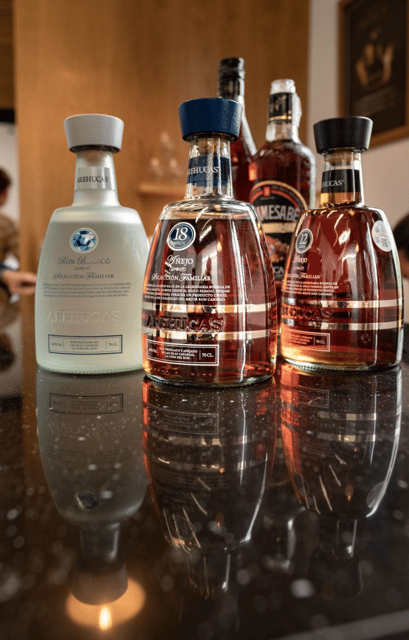
The Arehucas stop in Arucas is the heart of the rum experience. You start with the production story—where the sugar-cane scent signals you’ve reached the “how it’s made” part, not just the “what it tastes like” part.
The big draw here is the tasting. Groups have reported tasting more than 10 different rums, including standout pours like older, exclusive options (one review mentioned 40+ years old). Even if you’re not a rum superfan, this is a rare way to compare styles side-by-side while you understand what changes in the aging and refining process.
One more useful detail: the guided tour in the distillery is noted as English and German (so language coverage may feel different depending on what language your group runs that day). In the real world, guides often translate on the bus and during stops, and you can feel the difference between a day that flows versus one that feels stuck waiting for interpretation.
If you’re joining in festive periods, note this: in festivities, the tour may not visit the Rum Factory. Plan on Arehucas being central, but keep that small caveat in mind.
What to watch for
Rum tasting plus a long bus day can hit harder than you think—especially when people do tastings neat. If you’re not used to strong spirits, consider bringing a non-alcohol mixer like soda for later in the tasting (one reviewer specifically suggested it), or pace yourself so the rest of the day stays enjoyable.
The Banana Museum: why Gran Canaria’s yellow fruit matters
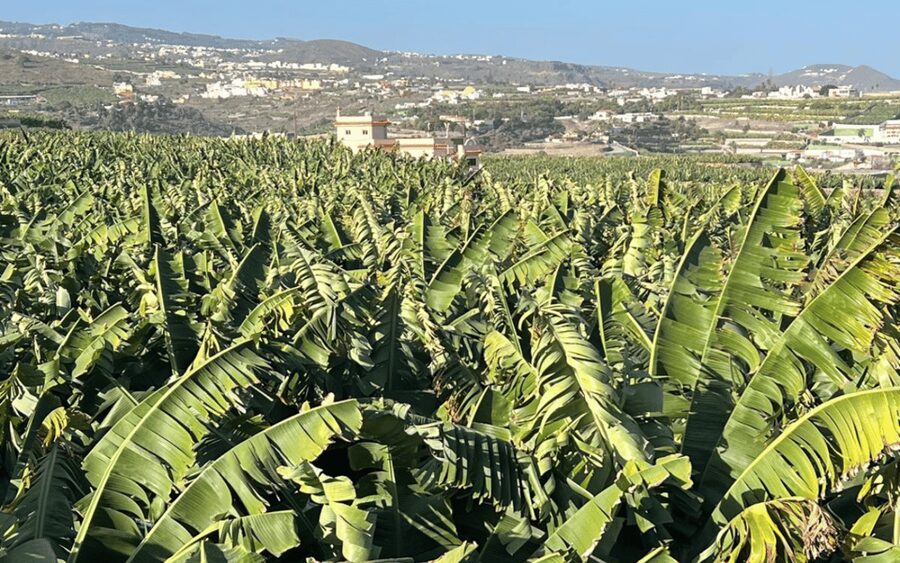
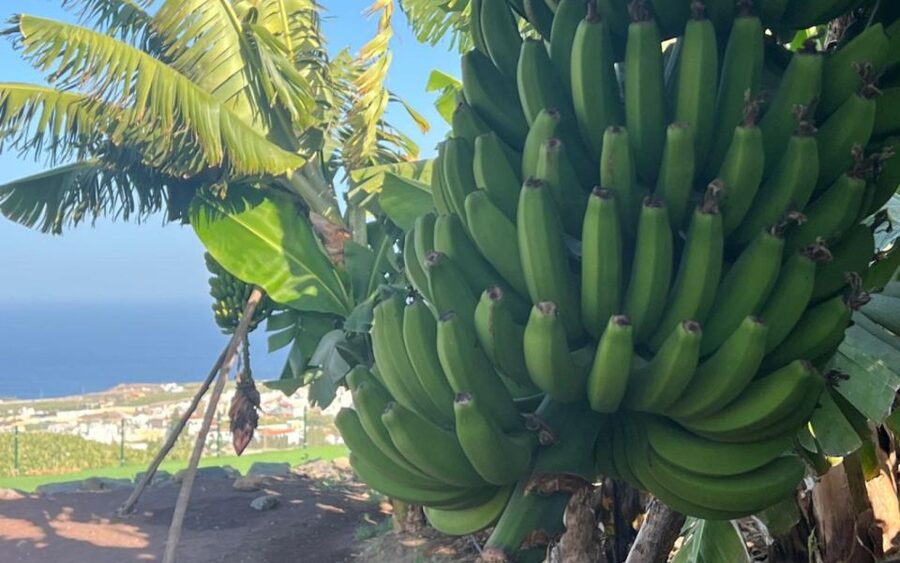
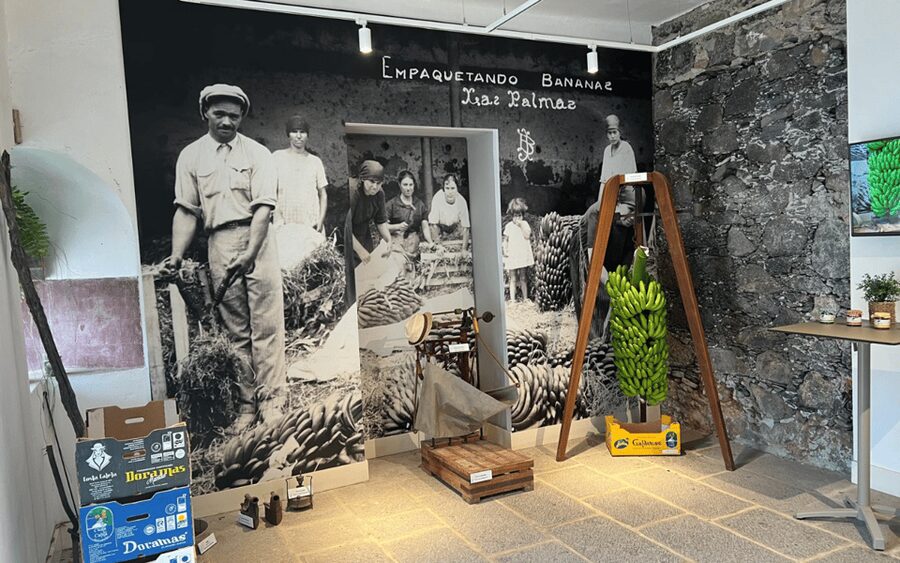
Next comes bananas, and not in a random “snack stop” way. The Banana Museum frames bananas as the identity of canarians, explaining how the crop arrived, how it changed life on the island, and how different varieties matter.
This stop works best if you enjoy agriculture stories and want to understand why something as simple as a fruit becomes a cultural symbol. The museum also connects the banana to local products—so you might see items made from bananas like wines, alcohols, pâtés, and creams.
Then there’s the banana farm side: you get a guided look tied to the farming of the crop, plus tastings of banana products. One reviewer loved this part so much it felt like the whole tour was worth it even if it ended there.
A realistic expectation
This isn’t a “walk around and take selfies” exhibit. It’s a guided, explained experience. If you struggle with hearing the guide over a bus engine or group noise, arrive a little closer to the front when you can. A couple of reviews mentioned sound and pacing issues, which usually come down to where you’re sitting or standing rather than the quality of the guide.
Agaete: where the coffee, wines, and sea air reset your brain
After rum and bananas, the day shifts toward Agaete, a coastal area that feels cooler and calmer than the earlier stops. The tour’s break here is important because the day is otherwise heavy on tastings and information.
One common highlight: Agaete itself. Reviews describe it as stunning, with seaside time that gives you a breather. Some people add extra exploring by skipping lunch and using that time to wander around the harbour area or the nearby seaside.
Coffee and wine at the finca
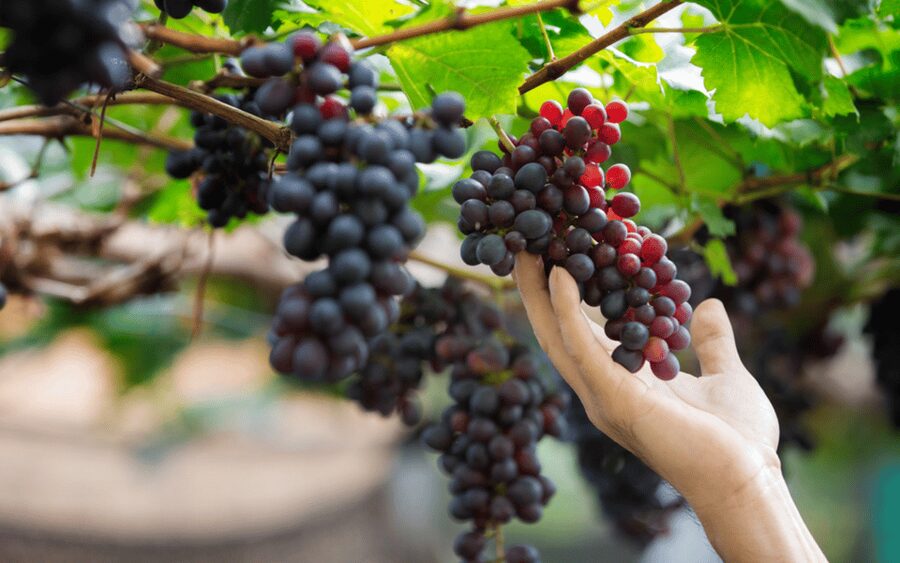
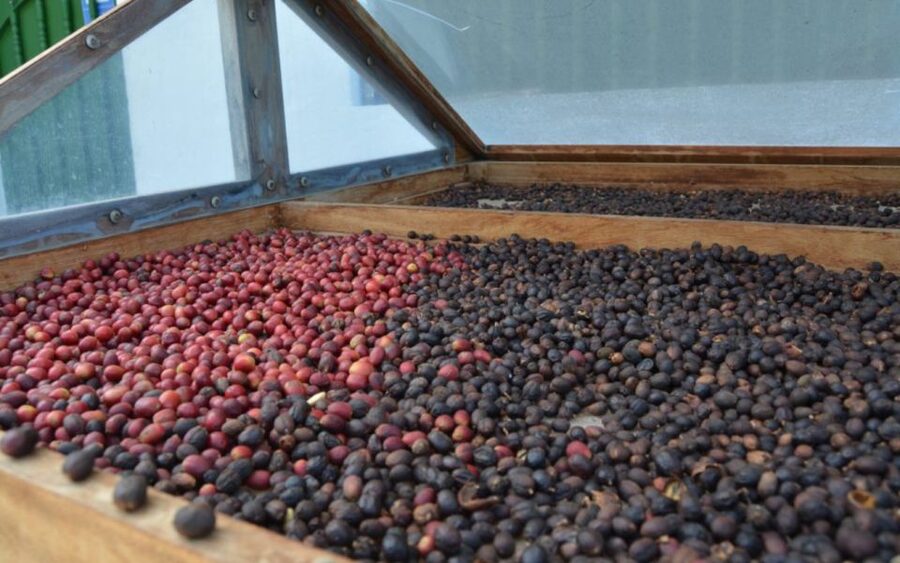
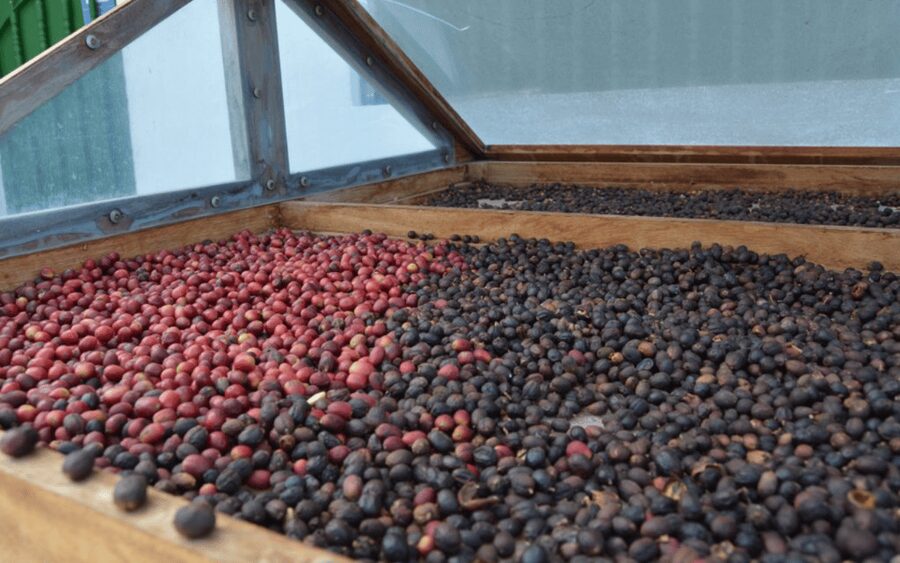
At the finca stop, you’ll get coffee and wine tastings plus a workshop-style feel tied to how things are grown and produced. The tour description calls out coffee as some of the best on the Canary Islands, and it shows up as a proper tasting portion, not just a quick sip.
Wine is typically served in small tastings—several reviews frame it as three small glasses of wine. That’s not a bad thing. It keeps the focus on variety and learning rather than turning the day into a buzz-and-bounce event.
The setting matters
This part tends to be popular because you’re walking among vines and tasting in a place that actually looks like the product’s origin. It helps you understand why local wine doesn’t taste like imported stuff, and why volcanic-growing conditions matter for plants that have to deal with heat and dry spells.
Learning mojo canario: turning a symbol into a meal
If you want one moment that feels truly hands-on, it’s the mojo workshop. You’ll learn how to create mojo canario, the symbolic sauce of the Canary Islands.
The best part: you don’t just leave with a recipe. You eat it. One review specifically mentioned mojo served with Canarian potatoes, which is exactly how you learn a sauce the way locals do: in context, with the food it’s meant to partner.
The practical value here is big. Mojo canario often feels like a “mystery sauce” to people who only know it as a menu item. After making it yourself, you’ll taste it differently later—more aware of what you’re reacting to.
Why this stop earns its hype
The tour doesn’t treat mojo as a gimmick. It slots into the day after you’ve already learned about agriculture (bananas), production (rum), and local growing (coffee/wine). That makes the mojo workshop feel like the final link: food culture, not just food facts.
Lunch call in Agaete: pay extra or use the time your way
Lunch is not included, and you’ll see it priced as an optional add-on. Reviews describe a lunch option around €15 per person and that it can include a starter and main course choices like soup/salad and paella.
Here’s the balanced way to think about it:
- If you want convenience, pay for the included lunch-style option and keep the day flowing.
- If you care more about free time or local wandering, you can skip lunch and use that window to explore the seaside area longer.
One vegan reviewer noted they declined lunch and brought their own meal, which suggests the day can work if you plan food needs ahead of time.
My advice
If you dislike rushed lunch setups, check the pace you like. On a day with a strong bus schedule, getting extra time outside the structured meal part can be the difference between a good day and a great one.
Price and value: how $81 can actually feel fair
At around $81 per person, this tour costs less than many “two tastings plus a photo stop” excursions. The value comes from the mix:
- A full rum tasting experience tied to the production story (not just one sample).
- A banana museum and farm-guided element.
- Wine and coffee tastings at a finca.
- A mojo canario workshop where you make and eat the sauce.
You’re paying for multiple paid admissions/activities plus bus transport. You don’t get lunch included, and souvenirs are on you. But you do get a day where each stop feeds the next one.
Where value can feel less great is if you end up stuck in long travel stretches. Some reviews mention big-coach logistics and long bus time due to multiple pick-ups, which can add fatigue. If you’re sensitive to that, you may decide the tour is best only if you’re happy to treat the day as an organized itinerary rather than flexible wandering.
Guides and the human factor: the names that kept showing up
What consistently improves this kind of tour is the guide’s ability to make the day feel connected. Names that came up in reviews include Tom (often highlighted for switch-over between languages), Julia, and guides working with drivers like Alexander.
A few reports also mention the guide handling multiple languages and even adjusting on the fly. That matters because this tour moves through places where you’ll want clear explanations: distillery process, banana farming history, and the mojo recipe steps.
If your primary concern is language, pay attention to which languages your guide uses on your day. Reviews include one complaint that the tour leaned more German than English for a participant, so your comfort may depend on group language mix.
Who should book this tour, and who might want to skip it
This fits best if you like:
- Food-focused travel and learning how ingredients are made
- Tastings that come with explanations
- Hands-on experiences (mojo is the standout)
- A structured day trip where transport is handled
You might want to skip or choose a smaller-group option if:
- You get worn out by long bus rides and frequent pick-ups
- You’re sensitive to walking distances
- You prefer free time over scheduled stops
- You’re hoping for a quiet, laid-back pace
Also, the tour notes it’s not suitable for people with mobility impairments and wheelchair users. That doesn’t mean the day is extreme, but it does mean the routing involves accessibility limits.
Should you book the Gran Canaria Rum, Wines and Banana Tour?
I’d book it if you want a single day that feels like real Canarian food culture—bananas with meaning, rum with a process story, wine/coffee in the hills, and mojo you make and eat. The tastings are a core part of the appeal, and the structure keeps you from feeling like you’re just jumping between unrelated stops.
Don’t book it if you’re very bus-fatigued or you need lots of free time and flexibility. Also, be ready for the pickup reality at Parque Tropical and make a point of arriving early.
If you go in with the right mindset—hungry for stories and tastes—it’s the kind of tour that turns an 8-hour day into something you’ll remember when you’re back home trying to recreate mojo from memory.
FAQ
How long is the tour?
The tour lasts 8 hours, and that duration includes the return transfers. Exact timing is approximate and can vary based on pickup areas and other conditions.
What are the main stops during the day?
You’ll visit the Arehucas Rum Distillery for a guided tour and tasting, then a Banana Museum and banana-farm guided visit with tasting. After that, the tour includes a wine and coffee experience in the Agaete area, ending with a mojo canario workshop.
Is lunch included in the price?
No. Lunch is not included, though there is an optional lunch that you can choose during the day.
What languages are available for the live guide?
The live tour guide operates in English, Spanish, and German.
Where do I need to go for pickup?
There is no pickup or drop-off in Las Palmas or at the harbour. You must go on your own to Parque Tropical (South Island) for pickup, and the return point is the same.
Does the tour always include the rum factory?
In festivities, the tour notes that it does not visit the Rum Factory. The distillery component is still part of the experience, but this note is worth keeping in mind for holiday dates.
Can I cancel for a refund?
Yes. You can cancel up to 24 hours in advance for a full refund.