REVIEW · TEL AVIV
3-Day Petra and Wadi Rum Tour from Tel Aviv
Book on Viator →Operated by Abraham Tlalim Tours LTD · Bookable on Viator
Jordan hits different when you’re not doing the planning. This 3-day Petra and Wadi Rum tour from Tel Aviv mixes UNESCO sites (Jerash, Petra, and the Wadi Rum Protected Area) with real Bedouin camp time, plus guided stops like Mount Nebo and Madaba. I especially loved the way our guide Ali kept sharing history in plain language, and I liked the Bedouin camp evenings—food, music, and stargazing by the fire. One heads-up: the day starts early and the border crossing can take around 2 hours, and Petra means serious walking.
You’re traveling by air-conditioned vehicle with entrance fees handled, so you spend less time figuring things out and more time seeing. You also get a custom travel app plus a mobile ticket, which is handy when you’re juggling check-ins, timings, and changing locations. The setup is good for first-timers who want the big sights without the stress, as long as you’re ready for uneven ground and long days.
In This Review
- Key Highlights You’ll Actually Feel
- From Tel Aviv to Jordan Valley: What Starts Your Day
- King Hussein Bridge: The Only Place You Should Plan for Waiting
- Mount Nebo and Madaba: Calm Views Before Big Ruins
- Mount Nebo
- Madaba
- Shobak Castle Views: Crusader-Era Fortress on a Hill
- Wadi Musa Basecamp: Your Link to Petra
- Petra Day: Siq to Treasury to Big Views
- The High Place of Sacrifice
- Shoes and pace (this is not optional)
- Wadi Rum Protected Area: Jeep Safari and Star-Heavy Evenings
- The jeep/4WD safari
- Bedouin-style camp: where the real value sits
- Meals, Transport, and Comfort: What’s Included vs. What You’ll Handle
- Included
- Not included (plan ahead)
- Guide and Group Size: Why Organization Matters Here
- What to Pack (So Petra Doesn’t Win)
- Price: Is $670 Worth It?
- Who This 3-Day Petra and Wadi Rum Tour Fits Best
- Should You Book This Tour?
- FAQ
- What time does the tour start?
- What’s included in Wadi Rum?
- How many nights do I sleep in the Bedouin camp?
- Are entrance fees included?
- What are the border taxes I should budget for?
- Do I need a visa arranged ahead of time?
- Can Israeli passport holders join?
- Are there any forbidden items for Jordan?
- What’s the cancellation rule for a full refund?
Key Highlights You’ll Actually Feel
- Guide Ali-style explanations that make ancient sites easier to understand
- Bedouin camp stay with dinner and breakfast included, plus stargazing and traditional music
- Jeep/4WD safari in Wadi Rum Protected Area with local guides
- Petra access at a walking pace—amazing views, but you’ll want solid shoes
- UNESCO trio: Jerash, Petra, and the Wadi Rum Protected Area, all in one trip
From Tel Aviv to Jordan Valley: What Starts Your Day
This tour launches at 6:30 am from Abraham Tel Aviv HaRakevet station area. That early start is not for fun—it’s because crossing the border and getting to Jordan takes time, and the day is built to keep momentum.
After you leave Tel Aviv, you head toward the King Hussein Bridge Border Crossing. This is where your day can feel slow, even with everything organized. Expect a line, paperwork, and waiting before you roll onward into the Jordan Valley scenery. If you’re the kind of person who hates delays, bring patience (and water). If you’re good with the idea that day one is “travel day plus a few big stops,” you’ll be fine.
The big value here is that the tour handles the “how do we get through this?” part. You’re not stuck negotiating routes, buying random tickets, or trying to figure out what comes next.
You can also read our reviews of more tours and experiences in Tel Aviv.
King Hussein Bridge: The Only Place You Should Plan for Waiting
The border crossing is the one variable you can’t fully control. One review pointed out the crossing took about 2 hours, which matches how these processes usually feel when you hit a busier time of day.
Budget time mentally. Don’t plan to cram extra stops after the pickup. Also, make sure your passport is original (not a copy). Hat and sunscreen help too—because waiting outdoors is still waiting outdoors.
Money matters at the border. You’ll have Israeli border taxes (listed as 196 ILS) and Jordanian border taxes (10 JOD). The Israel-side taxes can be paid in ILS, Euro, or USD (credit card or cash). The Jordan-side taxes are cash only in JOD. Having cash ready saves frustration.
Mount Nebo and Madaba: Calm Views Before Big Ruins
Once you’re over the border, the tour pivots into “see something meaningful fast” mode.
Mount Nebo
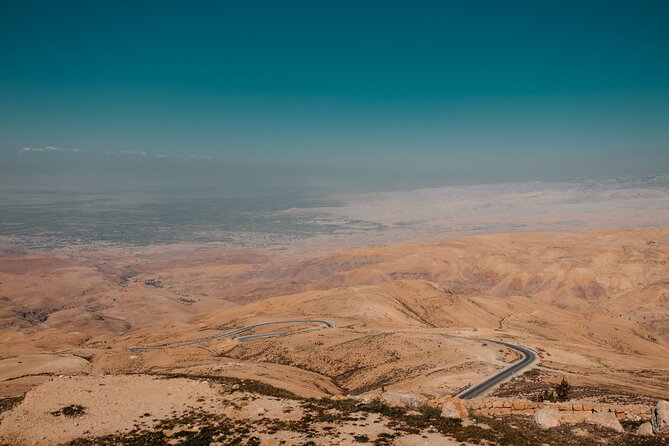
At Mount Nebo, you get panoramic views over the Jordan Valley, toward the Dead Sea, and in the direction of Jerusalem’s distant hills. This stop is less about a single monument and more about standing somewhere that many people connect to faith and biblical geography. It’s also a good mental break after the border.
The ride here matters too. You get time to look out the window at the rolling terrain. It makes the whole trip feel like a journey, not just a checklist of stops.
Madaba
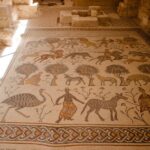
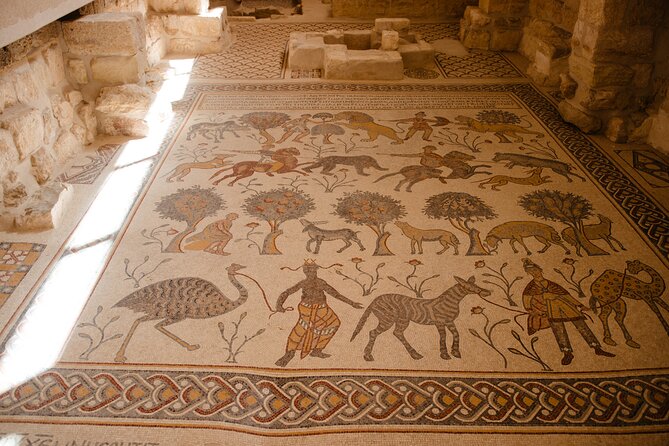
Then you reach Madaba, known for ancient mosaics. You’ll have time to see the Madaba Map, a famous mosaic depiction of the Holy Land dating back to the 6th century. This is the kind of stop that’s great if you like details—color, craftsmanship, and the way art documents history.
Practical note: mosaics reward your attention, so don’t rush. Take a moment and look at sections instead of trying to take it all in at once.
Shobak Castle Views: Crusader-Era Fortress on a Hill
Next comes Shobak Castle – Montreal (it’s listed that way on the tour details). This is a medieval fortress perched on a rugged hilltop, with walls and towers that let you imagine the era of crusaders and knights without needing a lecture.
What I like about stops like this is they’re not only about what you see in front of you. From the ramparts, you get panoramic views over the valleys. If you’re the type who always wants to stand where the history happened, this one scratches that itch.
This stop also gives your legs a break from the long, flat trudges later. You’ll walk some, but it’s more “stroll and look” than “march.”
Wadi Musa Basecamp: Your Link to Petra
After the earlier sights, the tour heads to Wadi Musa, the gateway area for Petra. Even if you don’t think about it much, Wadi Musa is what makes this whole trip feel efficient. It puts you close enough that your Petra time is usable rather than wasted on long transfers.
You also get the sense that Petra isn’t a day trip. It’s bigger than a half-day detour. That matters because Petra visits need pacing.
Petra Day: Siq to Treasury to Big Views
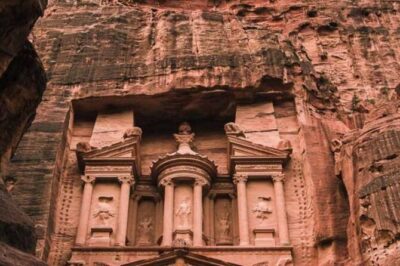
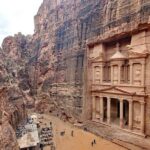
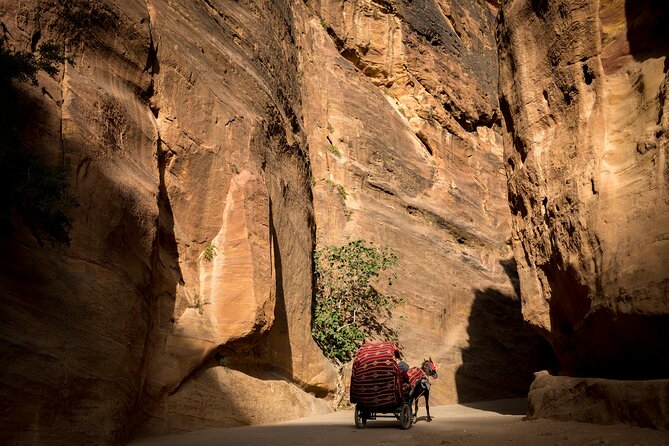
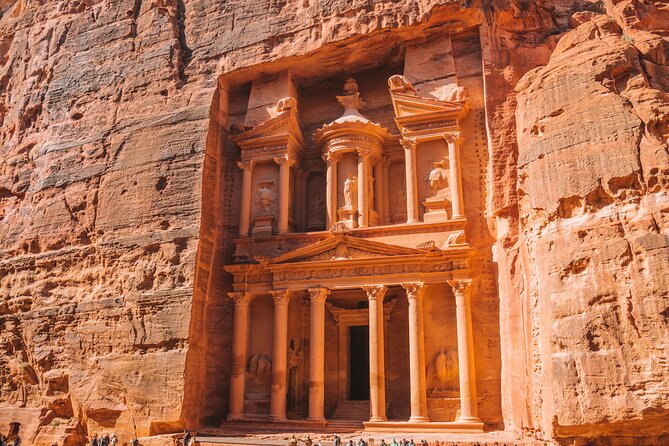
On your Petra day, you enter through the narrow Siq—the rock corridor that builds anticipation as you walk. Then the Treasury appears between the rock walls, exactly like you’ve seen in photos, except it hits harder when you’re there in person.
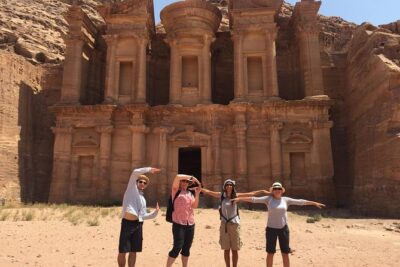
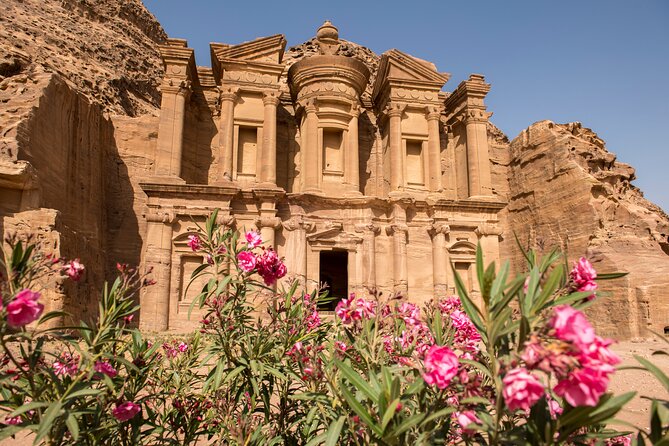
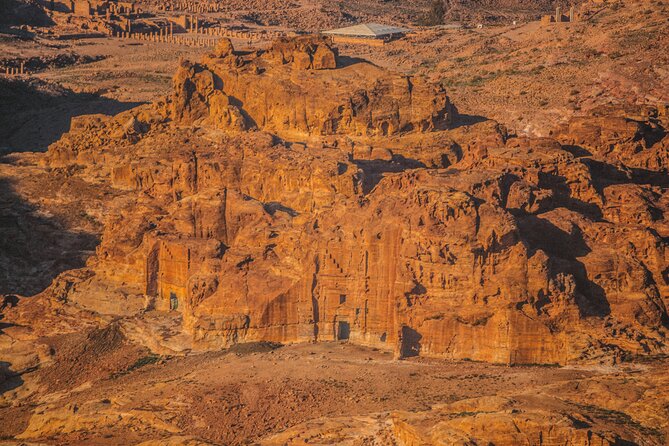
You’ll also explore key parts of Petra on foot: the Royal Tombs, the Monastery, and the Great Temple. The tour keeps the focus on the areas that most people come for, but you still have enough time to feel the scale.
The High Place of Sacrifice
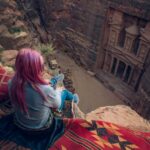
One of the best moments is trekking up toward the High Place of Sacrifice. This is where the work pays off with sweeping views back over Petra. It’s also a good reality check: Petra is not a quick “walk in, walk out” site.
One review gave a very direct tip: plan for about 5 hours of walking to see Petra well, and skip the trip if you have limitations (like a prosthesis) that make long walking difficult. That’s useful guidance. Petra is compact in distance but big in effort.
Shoes and pace (this is not optional)
Bring comfortable shoes with serious grip. Petra paths can be uneven, and you’re on stone and sand. The tour doesn’t pretend it’s a smooth stroll.
If you’re feeling energetic, you’ll enjoy moving through Petra. If you’re hoping for minimal walking, this is the wrong match.
Wadi Rum Protected Area: Jeep Safari and Star-Heavy Evenings
Then you shift from stone cities to desert science: big sky, big silence, big color changes.
The jeep/4WD safari
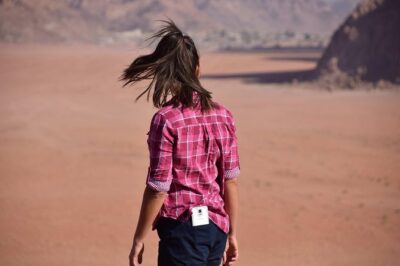
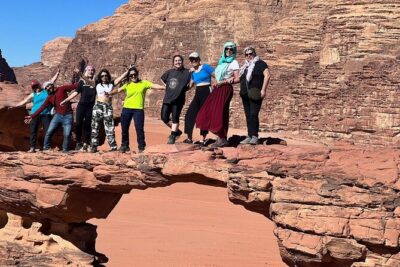
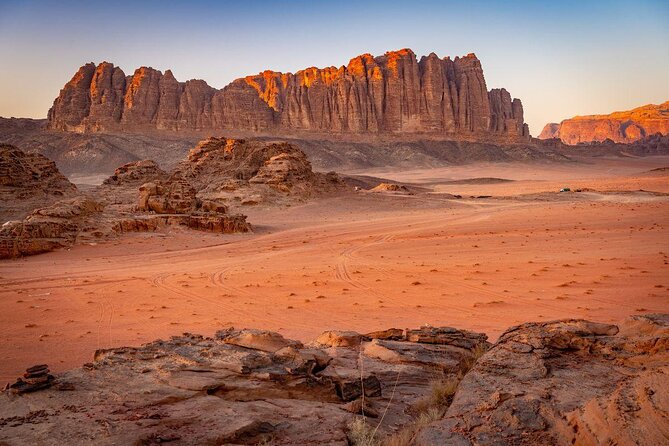
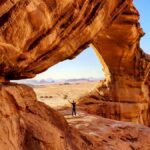
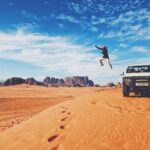
In Wadi Rum Protected Area, you’ll go on a 4WD/jeep adventure with local exploration. You’ll bounce over rugged terrain and reach valleys and canyons shaped by wind and time. Even if you don’t call it “adventure,” it’s still the best way to cover distances in the desert without wasting the daylight.
This portion is also where the tour feels like more than sightseeing. You get space to pause. The instructions you’re given for the desert time aren’t about rushing you to the next stop.
Bedouin-style camp: where the real value sits
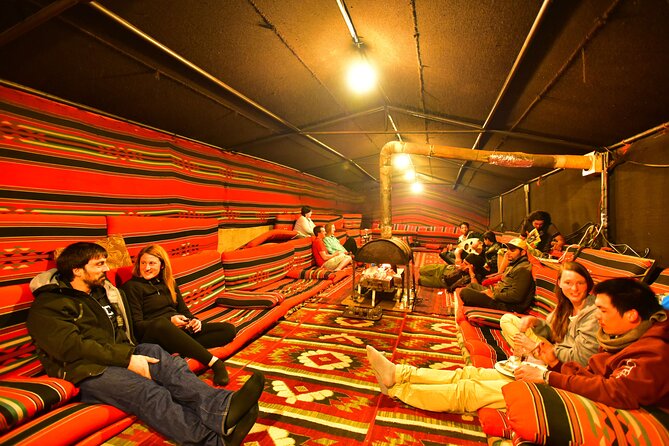
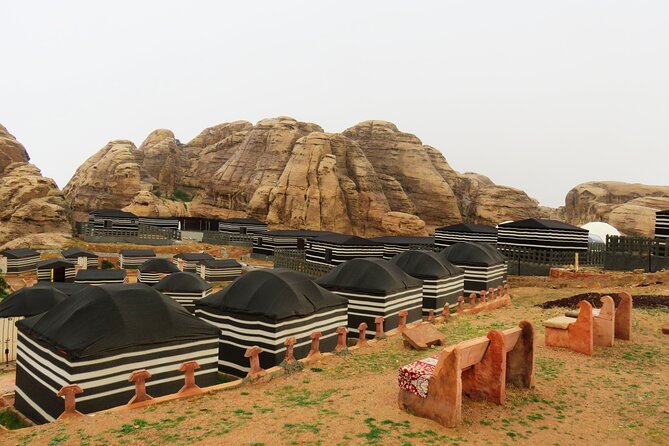
You’ll spend two nights in a Bedouin-style campsite. This turns the trip from “see Petra, leave” into “live in the setting for a while.”
The camp details you should care about:
- You get dinner (2) and breakfast (2) included, plus lunch (3)
- You’ll have evenings with traditional music and time for stargazing
- It’s set up as cultural experience time around a fire, not just a place to sleep
One review highlighted that the tents were clean and cozy, even though they’re basic. That’s reassuring because many people worry about camping comfort. Still, you’ll want the warm clothes for night listed in the packing notes. Desert nights can get cold fast once the sun drops.
Meals, Transport, and Comfort: What’s Included vs. What You’ll Handle
This tour is pretty clear about meals and transport.
Included
- Air-conditioned vehicle for driving segments
- Entrance fees for the included sights
- Meals included: lunch (3), dinner (2), breakfast (2)
- Accommodation: Bedouin-style campsite for two nights
- 4WD/Jeep adventure in Wadi Rum
- Custom travel app for smartphones/tablets
- Mobile ticket
Not included (plan ahead)
- Other food and drinks
- Travel insurance
- Tips/gratitudes
- Border taxes (Israeli and Jordanian as listed)
This package works well if you don’t want to budget daily for tickets and food. It’s also helpful if you want a smooth experience across two countries.
But keep expectations honest: campsites and long days aren’t the same as a hotel. You’re trading comfort for the experience of sleeping where the sky turns into a sky.
Guide and Group Size: Why Organization Matters Here
The tour runs with a maximum of 47 travelers. That’s not tiny, but it’s also not chaos. What matters is that you’re traveling as a group with a guide and vehicle, which keeps the border crossing and site access from turning into a DIY scramble.
One strongly praised point in the feedback was organization: no delays and a guide who shared lots of facts. The guide name Ali came up specifically, and that’s exactly what you want from a tour guide on ancient sites—context you can actually use while you’re standing there.
If you like learning but hate lectures, this format is usually a win. You’re not forced into museum-style storytelling for hours at a time; you get explanations that match where you are.
What to Pack (So Petra Doesn’t Win)
Based on the tour’s requirements, here’s what matters most:
- Comfortable shoes with traction
- Hats and sunscreen (days can be bright)
- Scarf/Shawls (handy for sun and also for cultural expectations)
- Warm clothes for night (desert camp evenings)
- Drinking water (listed requirement)
Also pay attention to the rules for Jordan. Drones are forbidden, and telescopes or telephoto cameras with zoom lenses higher than 1000mm are listed as forbidden. It’s the kind of detail that can ruin your day if you pack one by accident.
Border notes matter too:
- This tour is not available to Israeli passport holders
- Some religious clothing/items can create issues at border crossing, so ask before departure if you’re concerned
- Drones and certain camera gear are a hard no in Jordan
Price: Is $670 Worth It?
At $670 per person, this isn’t a cheap weekend. But the price starts to make sense when you compare what you get bundled:
You’re paying for:
- Transportation in an air-conditioned vehicle across multiple stops
- Entrance fees
- Two nights in Bedouin-style accommodation
- Meals (lunch 3 times, dinner 2 times, breakfast 2 times)
- A guided program through several major highlights
- 4WD/jeep adventure in Wadi Rum
Then add the “hard part” costs: border time, cross-country logistics, and organizing site visits so you can move efficiently rather than handling every detail yourself.
The main thing that can change the real cost is the border taxes (Israeli 196 ILS and Jordanian 10 JOD cash only) plus anything you buy outside included meals. Still, if you want Petra + Wadi Rum + Jerash in one tightly managed package, this price can be competitive versus DIY when you factor in convenience.
Who This 3-Day Petra and Wadi Rum Tour Fits Best
This is a strong match if you:
- Want to see Petra and Wadi Rum without planning the day-by-day logistics
- Like guides who explain what you’re looking at (Ali is a good sign)
- Are comfortable with long days and walking (especially Petra)
- Think a Bedouin camp experience is worth sacrificing hotel comfort
It’s less ideal if you:
- Struggle with lots of walking and uneven ground
- Need a fully flexible schedule day to day
- Depend on a specific medical mobility setup that might not fit a heavy walking day in Petra
- Have an Israeli passport (this tour isn’t available to Israeli passport holders)
Should You Book This Tour?
If you want a classic first trip to Jordan—Petra, the desert, plus Jerash—this tour makes the biggest sights feel doable. The included meals, the Bedouin camp nights, and the jeep safari are the core reasons it feels like more than a bus ride.
I’d book it if you’re ready for:
- an early start,
- a real border day,
- and shoes that can handle Petra.
If you’re unsure, treat it like this: Petra is the test. If you can handle the walking, the rest of the trip is the payoff.
FAQ
What time does the tour start?
It starts at 6:30 am from the Abraham Tel Aviv HaRakevet St 8 meeting point area.
What’s included in Wadi Rum?
You’ll have a 4WD/jeep adventure in the Wadi Rum Protected Area. You also stay in a Bedouin-style campsite for two nights, with meals included.
How many nights do I sleep in the Bedouin camp?
You’ll sleep two nights in a Bedouin-style campsite.
Are entrance fees included?
Yes. Entrance fees are included for the sights on the tour.
What are the border taxes I should budget for?
You’ll need to budget 196 ILS for Israeli border taxes and 10 JOD for Jordanian border taxes. Jordanian border taxes are cash only in JOD.
Do I need a visa arranged ahead of time?
The tour notes that no pre-arranged visa is required for certain nationalities, and it will be issued at the border. You should confirm your country’s visa rules and whether you’re eligible for re-entering Israel if relevant.
Can Israeli passport holders join?
No. The tour specifically says it is not available to Israeli passport holders.
Are there any forbidden items for Jordan?
Yes. The tour lists drones (any size) and telescopes plus telephoto cameras with zoom lenses higher than 1000mm as forbidden in Jordan.
What’s the cancellation rule for a full refund?
You can cancel up to 3 days in advance of the experience start time for a full refund.