REVIEW · WADI RUM VILLAGE
From Wadi Rum: Camel Ride Experience with Tea and Guide
Book on GetYourGuide →Operated by Wadi Rum Fire Camp · Bookable on GetYourGuide
Camelbacks and desert tea beat the usual tour. This Wadi Rum outing pairs a camel ride through dramatic desert scenery with Bedouin tea and a guide who helps you understand desert life. I especially liked the calm camels and the clear instructions for getting on and off, and I really valued the tea stop that makes the trip feel tied to local life instead of just sightseeing. The main thing to consider is that the experience can feel simple and short, and one participant reported less explanation than expected—so if you want lots of talk, plan to ask questions as you go.
You start at the Wadi Rum Rest House and ride out by 4WD, with a small group capped at 4 people. In about one day, you’ll see why Wadi Rum is famous—then you’ll backtrack to the same rest point for a straightforward finish.
In This Review
- Key Things I’d Bet You’ll Care About
- Wadi Rum Rest House Start: Simple Meeting, Real-Desert Access
- The 4WD Drive: Why the Jeep Matters Before You Sit on a Camel
- Camel Riding in Wadi Rum and the Valley of the Moon Photo Stops
- Bedouin Tea and Animal Handling: The Parts You’ll Remember
- Sunset Viewpoint Option: Shorter Ride, Big Light
- Price, What You Pay For, and the 5 JD Protected Area Fee
- What to Bring, Who Should Skip, and Safety Basics
- Who This Wadi Rum Camel Ride Suits Best
- Should You Book This Camel Ride in Wadi Rum?
Key Things I’d Bet You’ll Care About
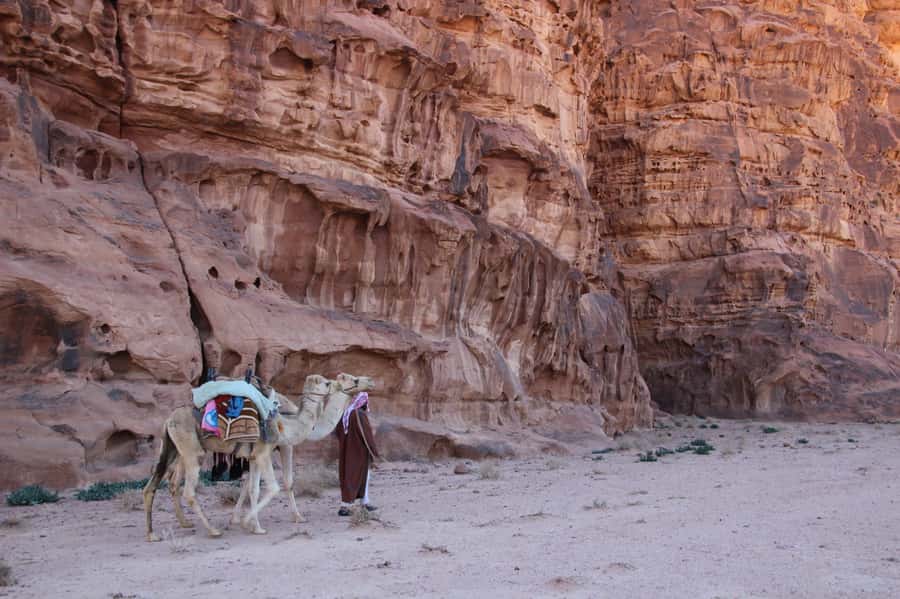
- Calm camels and clear handling tips: you get a briefing before you sit down and ride.
- Bedouin tea that slows the day down: a real pause for conversation and culture.
- Valley of the Moon photo moments: you’ll have chances to look, stop, and shoot from the saddle.
- Small group feel: limited to 4 participants, so you’re not fighting for attention.
- Optional sunset viewpoint: choose a shorter ride if you want the light at golden hour.
Wadi Rum Rest House Start: Simple Meeting, Real-Desert Access
The tour starts at the Wadi Rum Rest House in Wadi Rum Village. There’s free parking beside it, which is handy if you’re driving in on your own. If you’re coming via the visitor area, you’ll have to pass through there first.
Here’s the basic flow: at Wadi Rum Visitor Centre, you’ll show your Jordan Pass or pay a 5 JD entrance fee to access the protected area. Then you keep driving down the same road to Wadi Rum Village. It’s a straightforward setup, but it also means you’ll want a little buffer time if your arrival timing is tight.
When you reach the rest house, the guide is supposed to be waiting and will ask for the name used on your reservation. You’ll also present your voucher before the tour begins. If you’re in Wadi Rum already (like camping in the desert), don’t assume they’ll automatically pick you up—but ask in advance, because pickup from elsewhere is listed as subject to request.
You can also read our reviews of more tours and experiences in Wadi Rum Village.

The 4WD Drive: Why the Jeep Matters Before You Sit on a Camel
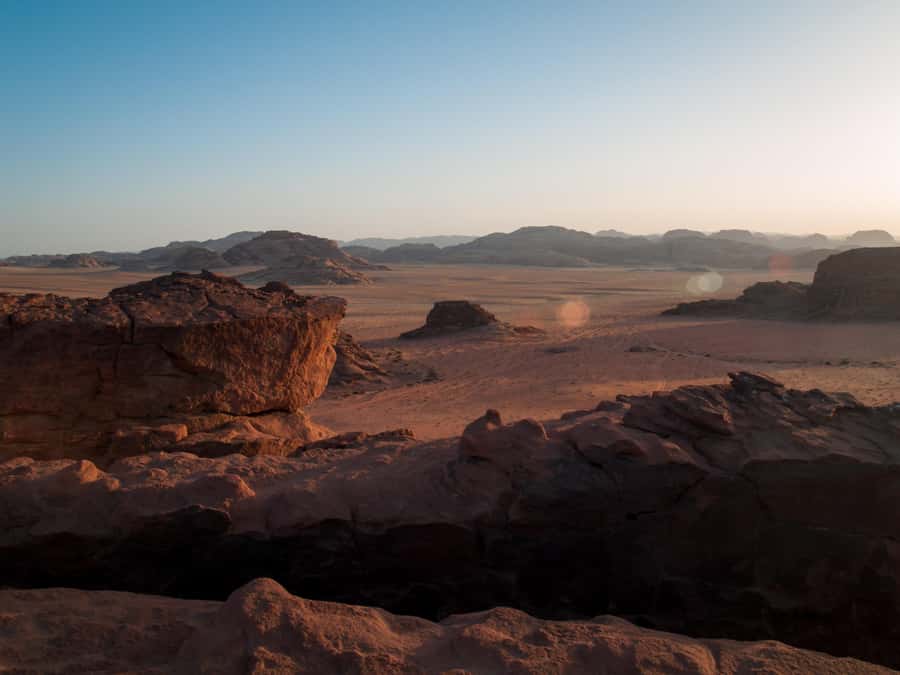
You’ll hop into a 4WD vehicle and spend about 15 minutes riding out. That short jeep stretch matters more than it sounds. In Wadi Rum, getting off-road is part of the experience—the desert isn’t just a photo backdrop, it’s the route too.
I like that this tour builds in a proper transition. Before you’re sitting on the camel, you’re already oriented: you’ve got the guide’s presence, you’re moving away from the village, and you get a feel for the terrain. It sets you up for the camel part, which is where most people feel nervous at first.
Transportation is included, and the driver handles the transfer so you can focus on the day. You’ll also get bottled water, which helps because you can’t always count on a late-minute convenience stop once you’re in the desert.
Camel Riding in Wadi Rum and the Valley of the Moon Photo Stops
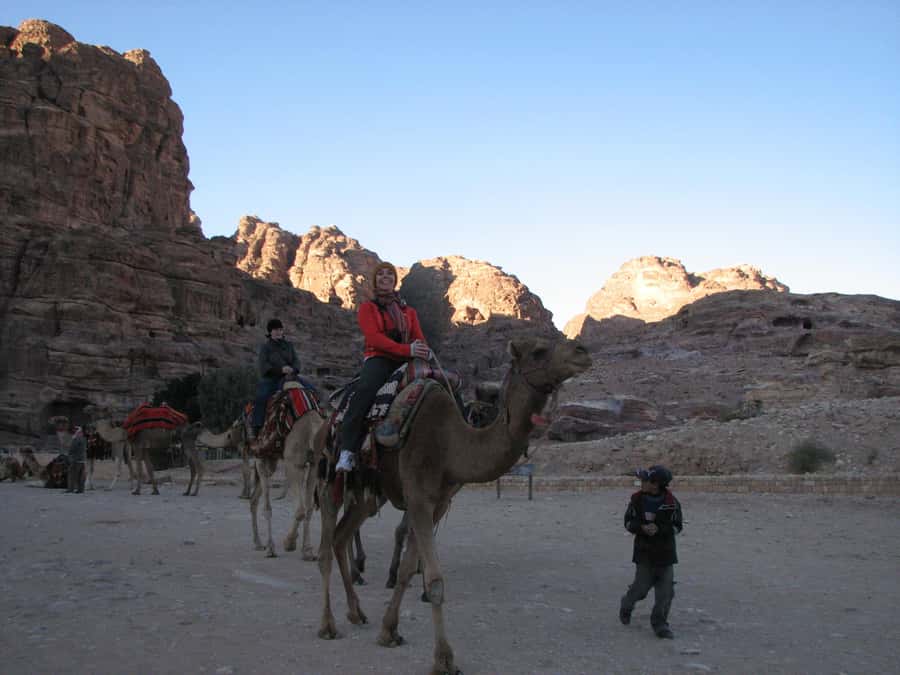
The camel ride is the headline, and it’s handled with a safety briefing before you start. That briefing is there for a reason: camels are calm, but you still need to know how to mount, how to balance, and when to follow instructions without overthinking it.
One of the strongest positive points people highlight is that the camels are well-behaved, and instructions for getting on and off are clear. You’ll feel it most if you’ve never ridden before. The goal isn’t trickery or speed—it’s a steady ride that lets you look around and take photos.
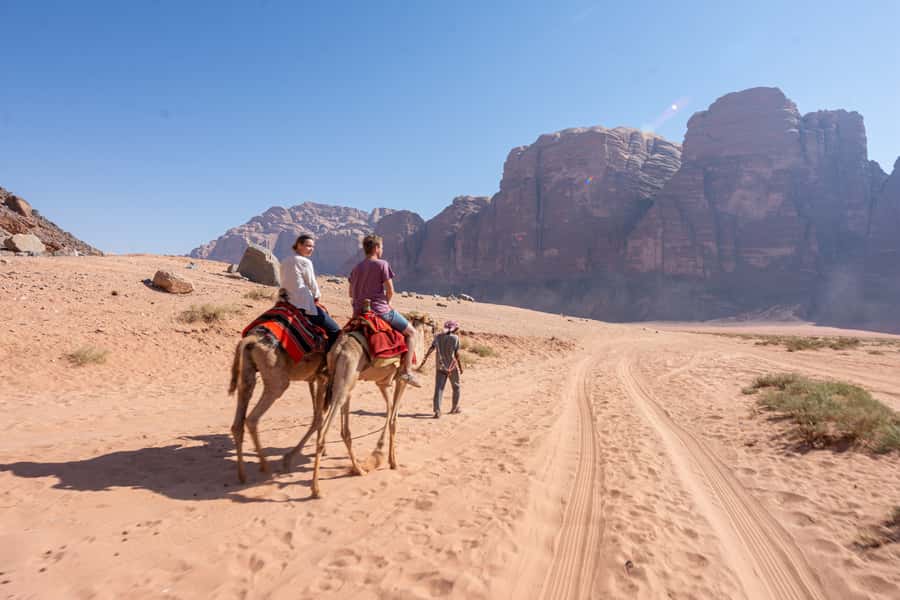
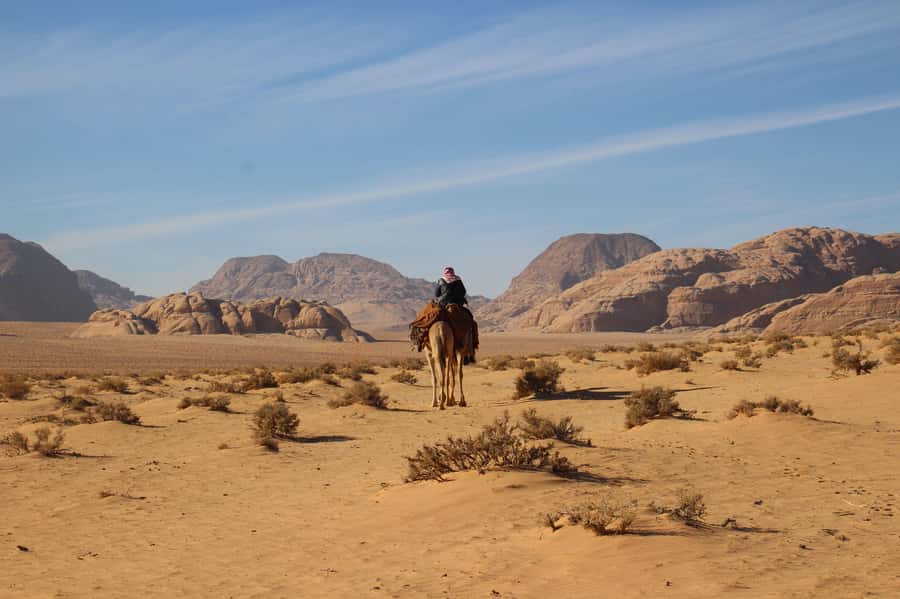
The scenery is tied to the well-known Wadi Rum sights, including stops associated with the Valley of the Moon. You can expect photo stops and sightseeing during the desert portion, and you may reach more than one gathering point along the way. That makes the ride feel less like a single straight line and more like a guided route through the desert.
One caution: this kind of camel experience is limited by physics. Your time on the camel won’t stretch into a long trek, and the tour structure is more “ride + tea + return” than an all-day wandering hike. If you’re craving a big adventure day with lots of stops, you might find this one closer to a well-run highlight package.
Bedouin Tea and Animal Handling: The Parts You’ll Remember
The Bedouin tea stop is the cultural anchor of the day. You’re not just receiving tea; you’re pausing in the desert with a guide who helps connect what you’re seeing to Bedouin life. People consistently mention the hospitality feeling—sharing tea in the desert is a small moment, but it’s the kind you’ll remember after the photos fade.
The tour is also built around you being comfortable with the animals. You’ll get a short animal-handling briefing before you mount. That’s where a lot of the comfort comes from. When you understand what the camel is doing and what you should do, the ride feels controlled instead of scary.
Language support is listed as Arabic and English with a live guide, so you can ask questions. And this is where I’d suggest you take an active role: ask what you see in the desert, why they choose certain spots for stopping, or how daily life works for Bedouin communities. Even if the trip is brief, asking one or two questions turns a short ride into something more personal.
A balanced note: one participant reported that their guide didn’t speak much during the walk and they didn’t receive tea in the way they expected (they described soda at the end). That seems like an exception rather than the standard, since tea and bottled water are listed as included. Still, if tea is a key reason you booked, it’s smart to confirm early with your guide so you’re not left guessing.
Sunset Viewpoint Option: Shorter Ride, Big Light
If you choose the sunset viewpoint option, you can trade some ride length for the light of golden hour. The tour description notes a sunset viewpoint if selected, and the highlights specifically say you can take a shorter camel ride to catch that magnificent sunset.
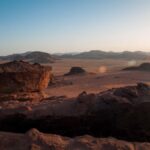
This is a great choice if you’re traveling in warmer months or if your priority is photography. Sunset in Wadi Rum can turn the rock formations dramatic and the whole desert moodier. Even if your camel ride is shorter, your payoff becomes watching the desert change color and texture.
Timing is worth keeping in mind. The overall tour still uses a quick sequence—jeep out, desert time with stops and camel ride, then you’re back by the rest house. So sunset option isn’t an all-evening thing. It’s more like a smart pivot: you’re planning for the best light within a tight schedule.

Price, What You Pay For, and the 5 JD Protected Area Fee
The price is $31 per person, and that matters when you compare what’s included. You’re paying for 4WD transportation from the meeting point into the desert, a driver, a guided camel ride, and extra touches like bottled water and Bedouin tea. On top of that, all fees and taxes are included in the tour price itself.
But there’s one separate cost you need to plan for: entry to the Wadi Rum Protected Area costs 5 JD. If you have a Jordan Pass, you’ll show it at the visitor centre. If you don’t, you’ll pay at the visitor centre and then continue toward Wadi Rum Village.
This two-layer payment setup is common in Wadi Rum. The practical tip is to treat it as a budgeting check: confirm you’ll have local currency ready for the 5 JD entrance fee even if your tour booking is already paid.
For value, the “small group” element matters too. Limited to 4 participants, you get a less crowded feel, and the guide has more time to help if someone is nervous about the ride.
What to Bring, Who Should Skip, and Safety Basics
You’ll want to bring your passport or ID card. That’s the only hard requirement listed, and it’s easy to handle if you keep your documents organized.
The tour also includes guidance on what isn’t allowed: nudity and alcohol and drugs are prohibited. If you’re traveling casually, just keep that in mind for what to wear and what to pack.
Comfort and body fit are also spelled out:
- Not suitable for wheelchair users
- Not suitable for pregnant women
- Not suitable if you’re over 220 lbs (100 kg)
If any of those apply, this isn’t the right activity. Camel riding is inherently physical, and the tour doesn’t offer accessibility details.
Weather-wise, it operates in most weather conditions. That’s useful information: don’t assume it will cancel just because it looks windy or cloudy. If you’re sensitive to heat, bring protection and plan for desert conditions.
Finally, don’t forget the simple part: during a camel ride, stability matters. Wear footwear you can trust and keep bags secured. The guide should help you through mount and dismount, but you’ll get a smoother ride if you arrive ready to move confidently.
Who This Wadi Rum Camel Ride Suits Best
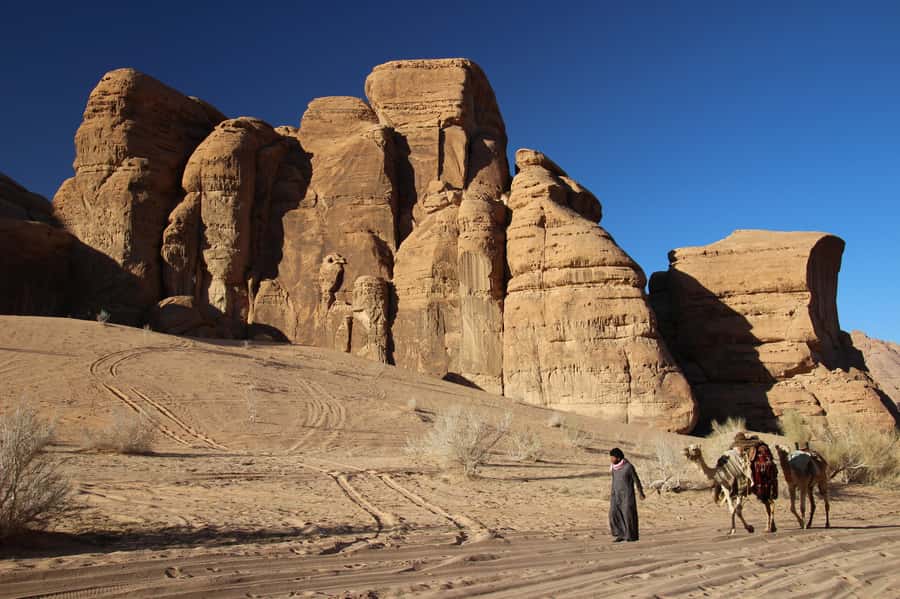
This is a good match if you want the Wadi Rum feeling without committing to a full-day trek. It’s also ideal if you like experiences that feel culturally grounded. The camel ride is the thrill, but the tea stop is what makes it more than just a scenic detour.
I’d especially recommend it if:
- You’re new to camel riding and want clear instructions
- You prefer a small group day with attention from the guide
- You want a quick but memorable desert “taste,” including tea and storytelling
- You’re hoping to hit photo moments around the Valley of the Moon area
If your dream version of Wadi Rum is long-distance riding, lots of walking, or deep exploration with constant narration, you may want something more extended. This tour is built to be efficient and well-run, not to stretch into an all-day marathon.
Should You Book This Camel Ride in Wadi Rum?
I think you should book if your goal is a well-paced Wadi Rum highlight: 4WD access, calm camels, a tea moment that ties into Bedouin hospitality, and optional sunset timing. The price makes sense because the core costs are handled for you—transport, guide, camel ride, water, and tea—while you only separately cover the 5 JD protected area entry.
Before you go, do two quick checks. First, make sure you understand the 5 JD entrance fee at the visitor centre and have the right ID and voucher ready. Second, if you care a lot about getting explanations during the ride, ask your guide at the start how they’ll share stories during the camel portion, so you know what to expect.
If you want a straightforward desert experience that feels friendly and focused, this one is a strong bet.