REVIEW · PETRA
Petra to Wadi Rum Trek – 6 Days
Book on Viator →Operated by Experience Jordan Adventures · Bookable on Viator
Two UNESCO sites, one rough trail. This 6-day trek links Petra in Wadi Musa to the Wadi Rum Protected Area using a remote stretch of the Jordan Trail, crossing sandstone mountains, dry valleys, and wide sand flats. It’s built for hikers who want fewer crowds and more empty horizons.
I love the way the itinerary eases you out of Petra’s tourist flow on Day 1, turning off the main route while you’re still in the Nabatean settlement. I also love that the trek stays guided end-to-end with a local English-speaking hiking guide, so you’re not guessing your way through the desert terrain.
One drawback to plan for: it’s genuinely hard in places. Day 1 rates difficult (24 km, 6–8 hours, big descent), and Day 2 notes no waymarking, so you’ll want strong footing, solid endurance, and a calm head on unmarked stretches.
In This Review
- Key highlights at a glance
- Petra to Wadi Rum on the Jordan Trail: why this trek feels different
- The fitness reality check: difficult Day 1 plus a long climb out
- Day 1: leaving Petra’s main crowds and hiking hard to your remote campsite
- Day 2: desert mountain walking, oleander plants, and a key navigation warning
- Day 3: wild desert valleys and a camp near the Jordan Valley
- Day 4: colorful canyons, rock formations, and sand-dune fun at camp
- Day 5: the long gradual ascent, Abassiya, then a jeep into Wadi Rum
- Day 6: Wadi Rum Protected Area morning, then your tour ends
- The human side: guides, pacing, and why explanations make the hike better
- Price and logistics: what $995 gets you (and what you’ll pay separately)
- What’s included
- What’s not included
- What to pack for a remote Petra-to-Wadi Rum trek
- Safety and comfort on desert camping nights
- Should you book this Petra to Wadi Rum trek?
- FAQ
- Where does the trek start, and what time do you begin?
- How long is the Petra to Wadi Rum trek?
- How hard is the hiking?
- Is the route waymarked?
- What meals are included?
- Are transfers included?
- Do I need the Jordan Pass for Wadi Rum?
Key highlights at a glance
- Real route, not just a transfer: You hike the Jordan Trail link between Petra and Wadi Rum, instead of treating it like a bus-and-short-walk day.
- Day 1 is a test: 24 km with a tough mix of descent and steep effort, setting the tone early.
- Unmarked hiking on Day 2: Waymarked=no for Day 2, so follow the guide and don’t rely on trail signs.
- Camping nights are part of the point: Each day ends at a campsite, keeping you in the rhythm of remote desert travel.
- Abassiya to Wadi Rum by jeep: The trek finishes with a long climb, then you connect into the Wadi Rum Protected Area.
- Small group size: A maximum of 14 travelers helps keep it personal and manageable on rugged ground.
Petra to Wadi Rum on the Jordan Trail: why this trek feels different
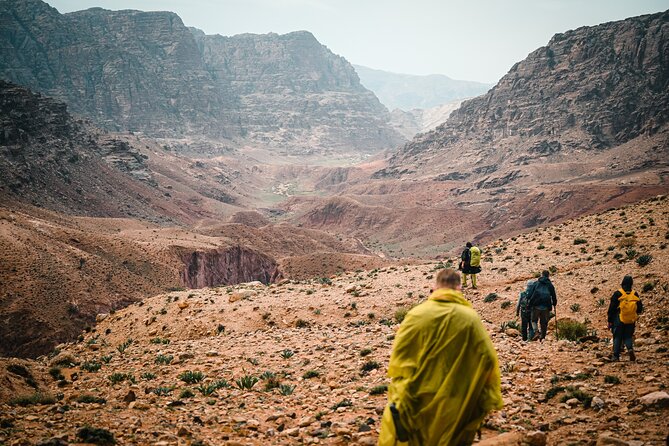
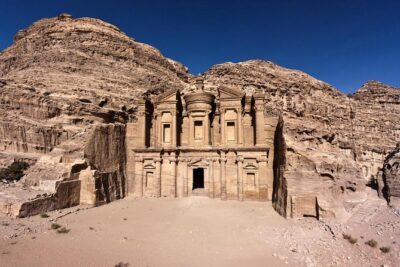
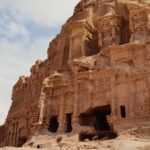
If you’ve only done Petra as a day trip, this will change your view of the area fast. This is not a simple sightseeing route. It’s a hiking itinerary that starts in the Petra region, then pushes south into less-traveled desert country before finishing in the Wadi Rum Protected Area.
The fun part is the way the scenery changes as you go. Day 1 drops you downhill away from the main crowd lines while still being in the larger Nabatean world. Then the trail keeps sliding into rural desert hills and rocky valleys. By later days, you’re dealing with big-sky desert distances—sand dunes, colorful canyons, and rock formations that look different every time the light shifts.
What makes it worth your time is that you’re moving through the terrain instead of stopping and starting. You’ll get that slow-travel feeling: hike, camp, wake up, hike again. It’s more demanding than a car route, but that’s the whole deal.
You can also read our reviews of more tours and experiences in Petra.
The fitness reality check: difficult Day 1 plus a long climb out
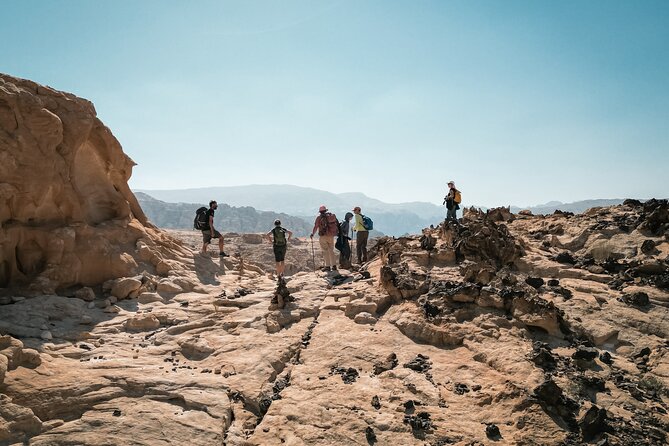
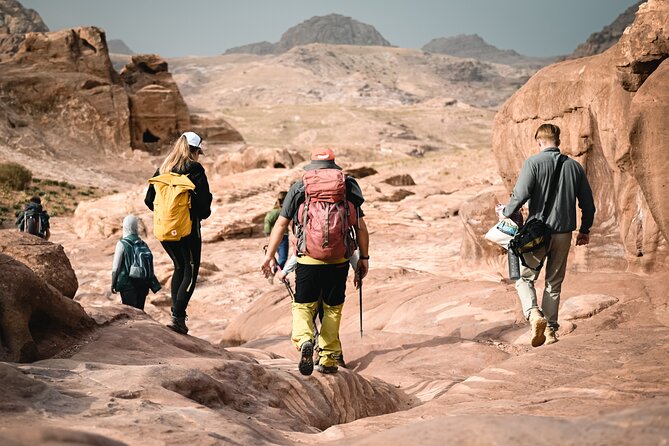
This trek asks for real hiking fitness. You should expect steep effort on at least one day, and longer walking days overall.
- Day 1: 24 km, 6–8 hours, rated physically difficult and trail difficult, with 380 m ascent and 740 m descent. That descent matters. Your legs feel it, especially on uneven rocky ground.
- Day 2: 15 km, 4–5 hours, physically easy with moderate trail difficulty, plus 290 m ascent and 320 m descent. This is still a walking day; it’s just a lighter day compared to Day 1.
- Day 5: the last hiking day includes a long gradual ascent as you leave the Jordan Valley, and later you reach the desert plateau in the Wadi Rum area.
So the question isn’t whether you can hike. It’s whether you can hike while managing fatigue. If you’re used to day hikes but not multi-day trekking with camping, train a bit before you go—especially for downhill control.
A plus: the plan gives you lighter walking on Day 2, and you’ll regain some breathing room later with transfers and the final jeep ride into Wadi Rum.
Day 1: leaving Petra’s main crowds and hiking hard to your remote campsite
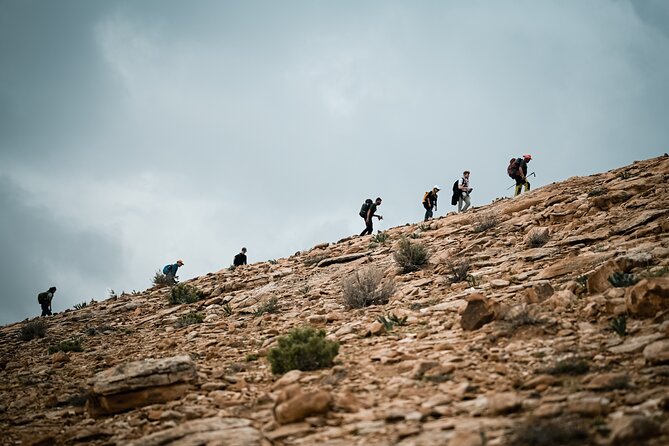
You start at the Petra Museum area in Wadi Musa with a 7:30 am start time. The route begins in Petra, but the key moment comes early: you turn off the main trail and head south, so you’re not trapped in the busiest pedestrian flow.
You’ll pass the Sabra Amphitheatre, then hike mostly downhill for the day. That downhill is scenic and fast-feeling—until it’s not. With a 740 m descent, you’ll likely want trekking poles and careful foot placement on any loose rock or uneven steps.
This is the day that sets the mental tone. After a day like this, you don’t just visit the desert; you earn your view of it.
Timing: 6–8 hours over 24 km.
Difficulty: tough both physically and on the trail.
Day 2: desert mountain walking, oleander plants, and a key navigation warning
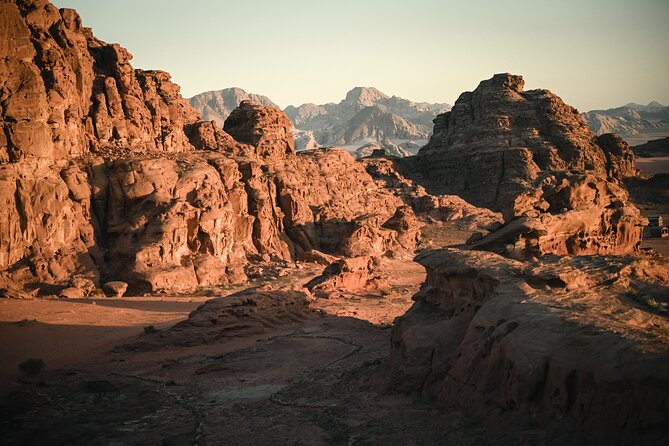
Day 2 is shorter—15 km over about 4–5 hours—and it’s rated physically easy. Still, the trail has moderate difficulty, and you’ll walk through rural desert mountains and rocky valleys.
One specific detail that stood out in the description is oleander plants. That kind of plant detail is useful when you’re imagining the route. You’re not hiking only over bare, lifeless ground; you may see patches of greenery or shrub life where water supports it.
Now the navigation point: waymarked=no for Day 2. That doesn’t mean you’ll be lost—it means you should plan on your guide doing the job. If you like routes with lots of signs, this is not that trek. Let the guide handle direction.
Day 3: wild desert valleys and a camp near the Jordan Valley
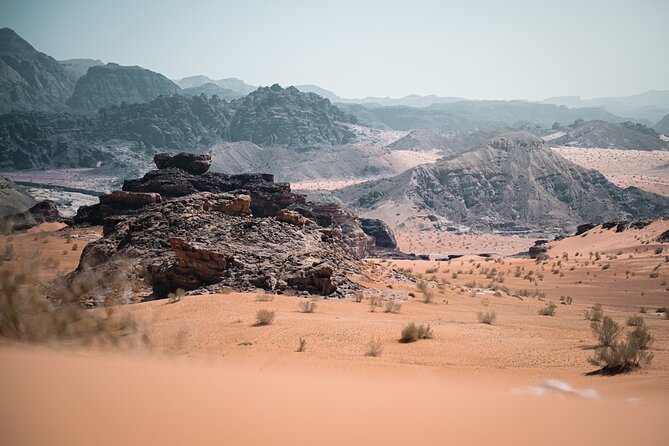
Day 3 keeps the southward push going through wild desert mountain areas and desert valleys. You’ll pass a cluster of mountains as you work your way toward the camp near the Jordan Valley.
This is the kind of day where your enjoyment comes from consistency. You’ll probably notice fewer “big wow stops” and more long stretches of walking where the terrain slowly changes under your feet. When you do get a view, it tends to be wide and clean, because the route stays remote.
It’s also a day that can be mentally satisfying: you’re not “rushing to reach the next photo spot.” You’re earning the feeling of being far from roads and noise.
Day 4: colorful canyons, rock formations, and sand-dune fun at camp
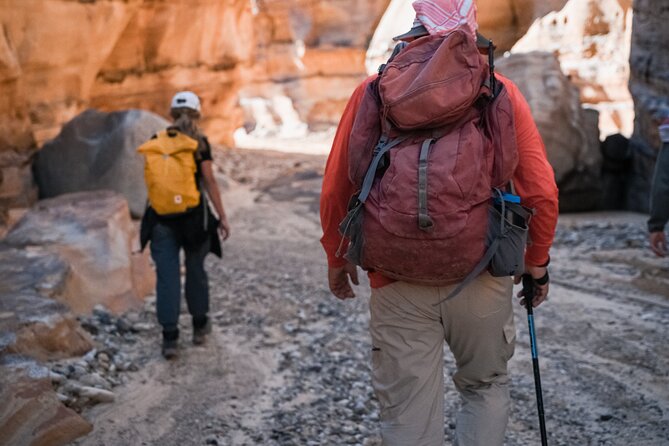
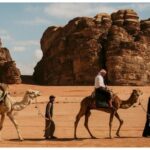
Day 4 sounds like the day many people remember. You’ll move through colorful canyons, rock formations, beautiful vistas, and sand dunes.
The description also calls out a mix of uphills and downhills, ending at a campsite in a “beautiful location.” Even without exact campsite descriptions, you can anticipate a classic desert rhythm: you work uphill or across broken ground, then you crest or turn and suddenly everything opens up.
If you like variety—rock, sand, and view changes within the same day—this is your best bet on the trek.
Day 5: the long gradual ascent, Abassiya, then a jeep into Wadi Rum
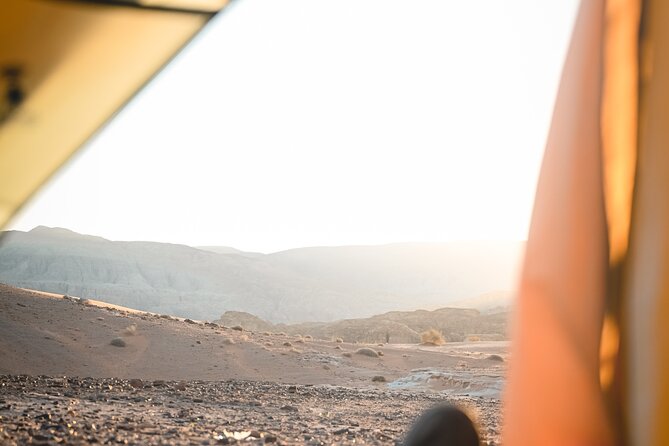
Day 5 is the last hiking day and a big pivot point. You’ll face a long gradual ascent out of the Jordan Valley. Gradual can still mean tiring; it just means your effort builds slowly instead of arriving as one steep pitch.
After that climb, you reach the desert plateau in the Wadi Rum area. Then the route shifts from your hiking energy to transport mode.
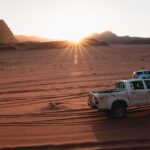
You’ll connect at the Bedouin village of Abassiya, and then take a jeep transfer to the Wadi Rum Protected Area. This is where the trek’s “two worlds” blend: hike-based travel ends, and jeep-based desert access begins—without losing the remoteness.
Jordan Pass note: Wadi Rum entry is tied to the Jordan Pass, which is not included. The itinerary also labels some admission as free in the schedule, but the main inclusion/exclusion list clearly says the Jordan Pass is on you. Plan for that and confirm what you personally need before you arrive.
Day 6: Wadi Rum Protected Area morning, then your tour ends
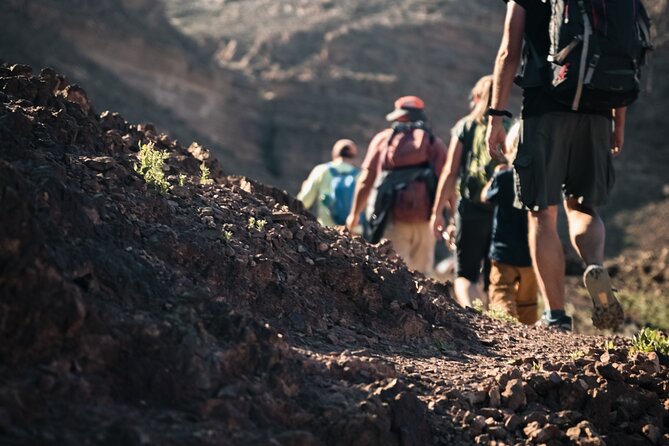
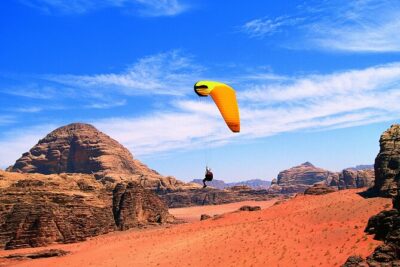
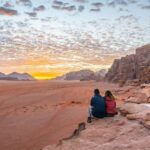
Your final morning is spent in the Wadi Rum Protected Area, with the trek ending here. Expect the classic Wadi Rum look: red sand dunes, sandstone mountains, and rock formations, plus that quiet desert feeling that’s hard to fake.
The tour ends the morning after the hike at the Wadi Rum campsite. Many people then extend their trip on their own terms—some head toward Aqaba and the Red Sea, some go straight to the Dead Sea, and others return toward Amman. The provider notes that private extensions can be arranged.
Practically, this ending pattern is convenient because you get a full trekking experience first, then a flexible buffer after.
The human side: guides, pacing, and why explanations make the hike better
This is the part you can’t measure on a distance chart, but it matters a lot on a remote trek.
You’ll have a local English-speaking hiking guide. That means you’re not only following footprints; you’re learning how to read the terrain and understand what you’re seeing. In past experiences with this operator, guides like Mahmood Attal and Motaz/Mutaz have been singled out for explaining things as you walk—everything from monuments and plant life to mountain ridges and riverbeds. Another name that came up with this kind of professional, friendly guiding style is Raja.
Even if your guide is different, the pattern is useful: you want someone who can keep the pace realistic while also making each day feel meaningful, not just strenuous.
Also, with a maximum of 14 travelers, you’re more likely to get personal attention on footwork, timing, and regrouping—especially after the tougher miles like Day 1.
Price and logistics: what $995 gets you (and what you’ll pay separately)
At $995 per person, this trek isn’t “cheap,” but it’s not just a walking tour either. The included package covers a lot of the moving pieces that add up in Jordan.
What’s included
- 5 nights of accommodation
- Local English-speaking hiking guide
- Hotel transfer in Wadi Musa to the start point on Day 1
- Transfer from Hummeima to Wadi Rum on Day 5
- Meals: 5 dinners, 5 breakfasts, 5 lunches
Think of it like this: you’re paying for days of guide time, multi-day food service, and the transport links that keep you from managing everything yourself in remote areas.
What’s not included
- Jordan Pass (covers Wadi Rum entry fee)
- Tips
- Travel insurance
- Airport pick-up and drop-off
- Airfare
- Personal expenses
The most important “budget check” is the Jordan Pass and your tipping plan. The rest is typical travel overhead. If you’re used to doing things yourself, this package saves you time and mental load.
What to pack for a remote Petra-to-Wadi Rum trek
The route is remote and rugged by design, so pack like you’re hiking in a desert environment that can feel hot in the day and cooler at night.
You’ll want:
- Good hiking shoes with grip (not just stylish sneakers)
- Light layers for temperature swings
- Sun protection (hat, sunglasses, sunscreen)
- A headlamp or flashlight for campsite evenings
- A water plan and a refill strategy you follow with your guide
- Simple wind protection if the desert gusts pick up
Also plan for the fact that Day 1 and Day 4 include rough terrain and big effort. Comfortable socks and basic blister management can make the difference between enjoying the view and just surviving the next hour.
If you’re unsure what to bring, ask before you go. On a trek like this, packing the right basics beats packing extra gear that you’ll never use.
Safety and comfort on desert camping nights
You’ll be camping every night, with the trek ending at a campsite each day. That means comfort is about routine, not luxury.
The good news is that this kind of trek is built around a support structure: the itinerary includes transfers, meals, and a team working campsites while you hike. In reviews connected to this operator, people have described feeling safe during desert hikes and camping, and they’ve praised wilderness teams for doing their job well at camp.
Still, be realistic: you’re in remote country. You can expect less convenience than a city stay. Bring patience, keep your routine simple, and follow your guide’s instructions—especially on navigation and water.
Should you book this Petra to Wadi Rum trek?
Book it if you want:
- A hike that connects Petra to Wadi Rum with actual walking days, not just a scenic drive
- A small-group feel (max 14) on rugged terrain
- The satisfaction of multi-day desert travel, with campsites and meals handled
- A guide-led experience where you learn what you’re seeing while you walk
Skip it (or reconsider) if:
- You dislike difficult hikes. Day 1 is rated difficult, and the distances aren’t short.
- You’re uncomfortable with unmarked segments. Day 2 specifically says not waymarked, so you need to trust the guide.
If you’re in good hiking shape and you want the road less traveled between two UNESCO sites, this trek is a strong choice. It’s the kind of trip that leaves you talking about how the days felt, not only how the photos turned out.
FAQ
Where does the trek start, and what time do you begin?
The meeting point is the Petra Museum area in Wadi Musa. The start time is listed as 7:30 am.
How long is the Petra to Wadi Rum trek?
The tour runs for 6 days (approx.), with 5 nights of accommodation and a morning ending in the Wadi Rum Protected Area.
How hard is the hiking?
Day 1 is rated difficult (24 km, 6–8 hours). Day 2 is physically easy with moderate trail difficulty. You should have strong physical fitness for the overall trek.
Is the route waymarked?
Day 2 is specifically noted as not waymarked. Because the trek is remote, you should rely on your guide for navigation.
What meals are included?
Dinner, breakfast, and lunch are included for the 5 days of meals (5 dinners, 5 breakfasts, and 5 lunches).
Are transfers included?
Yes. There is a transfer from your hotel in Wadi Musa to the start point on Day 1, and a transfer from Hummeima to Wadi Rum on Day 5 (with a jeep transfer into Wadi Rum Protected Area after Abassiya).
Do I need the Jordan Pass for Wadi Rum?
The Jordan Pass is not included, and it covers the entry fee to Wadi Rum, so you should plan for it ahead of time.