REVIEW · BARBADOS
St. Nicholas Abbey Heritage Great House and Rum Distillery Tour
Book on Viator →Operated by ST NICHOLAS ABBEY · Bookable on Viator
Barbados smells like rum and molasses.
This St. Nicholas Abbey tour mixes a 1658 Jacobean Great House with working plantation-era machinery, then finishes at a rum distillery for a tasting and a complimentary drink. It’s a smart way to see how sugarcane culture shaped everyday life.
I love that you can set your own pace once you’re inside, lingering in the house museum and quieter spots around the property. I also love the variety: house rooms and artifacts, a vintage plantation film, a syrup operation with a working steam mill, and then rum—so the story connects from cane to bottle. One consideration: the rum tasting portion is not huge, so if you want a long, slow, in-depth tasting experience, plan your expectations accordingly.
In This Review
- Quick hits before you go
- Entering St. Nicholas Abbey’s 1658 Jacobean Great House
- The plantation movie: quick context, no homework
- Syrup Factory and the working steam mill: where the story turns mechanical
- The rum distillery: tasting that connects to what you saw
- Setting your own pace: gardens, quiet corners, and the terrace cafe
- Price and value: how $45 stacks up for what you get
- Getting there in Saint Peter: taxi timing that saves you stress
- Who should book St. Nicholas Abbey and the rum distillery
- Should you book this tour?
- FAQ
- How long does the St. Nicholas Abbey and rum distillery tour take?
- What does the tour cost?
- What is included in the price?
- Where does the tour start and end?
- Is this tour self-guided?
- Is there a rum tasting?
- Is there food on site?
- How big is the group?
- Are service animals allowed?
- What is the cancellation policy?
Quick hits before you go
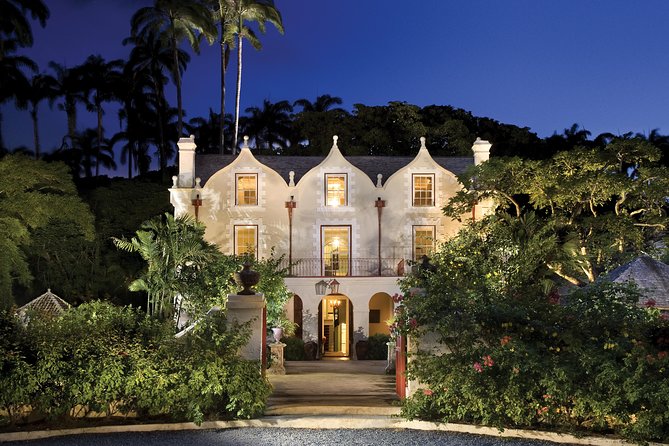
- 1658 Jacobean Great House rooms with a house museum feel, plus artifacts spanning Amerindian and colonial eras
- Vintage plantation film to give you context without turning it into a lecture
- Syrup Factory with a working steam mill tied to the sugarcane story
- Rum distillery tasting plus a complimentary drink to keep the experience moving
- Small group size (up to 25) helps the tour stay personable
- On-site terrace cafe and gift shop for coffee, lunch, and souvenirs after the tour
Entering St. Nicholas Abbey’s 1658 Jacobean Great House
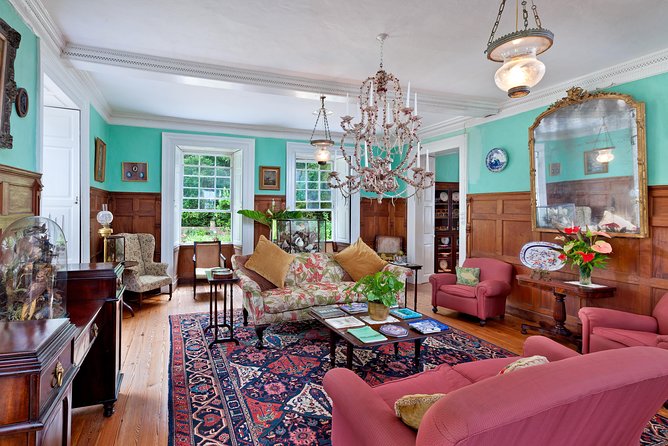
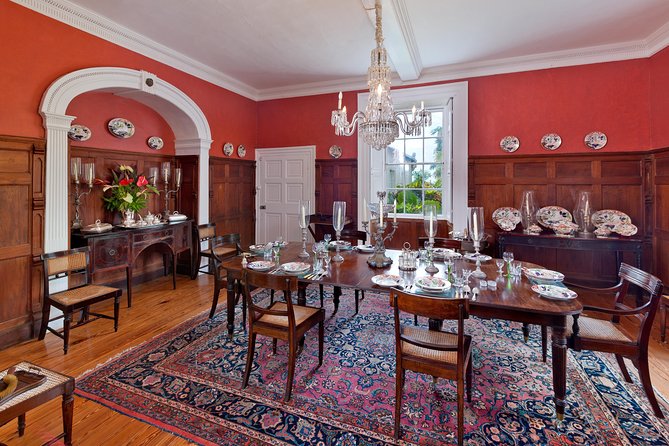
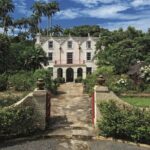
The main event is the Great House itself: a 1658 Jacobean building that gives you a strong sense of how plantation wealth and daily life looked in Barbados. You’ll walk through the house museum spaces and see artifacts that trace what came before the colonial era, including the Amerindian settlement presence, and how that evolved under later rule.
What I like about this part is that it isn’t just pretty rooms. The house acts like a timeline. As you move from exhibit to exhibit, you get a clearer idea of how estates functioned—who lived where, what objects mattered, and how the property told its own story through displays and preserved details.
In a few rooms, you’ll also spot decorative china that people often point out as a must-see. It’s the kind of detail that makes the house feel lived-in, not like a generic museum stop.
One more practical note: the property is also an ongoing restoration project by the owning family. That means you’re stepping into a working effort, not a sealed-off ruin. It adds a little extra meaning to what you’re seeing.
You can also read our reviews of more tours and experiences in Barbados.


The plantation movie: quick context, no homework
A vintage movie about plantation life is built into the flow, so you don’t have to arrive with a full lecture of Barbados history. It’s the kind of break that resets your attention between house rooms and more “how it worked” stops like the syrup operation.
Why this helps you: once you’ve watched the film, the later cane-processing and rum steps make more sense. You’re not just looking at equipment; you’re picturing the rhythm of work, the purpose behind the machinery, and the way sugarcane shaped everything on the island.
Also, the film screening doesn’t feel tacked on. It’s timed like a chapter break. You’ll find yourself leaving the movie area with clearer questions about what you’ll see next.
Syrup Factory and the working steam mill: where the story turns mechanical
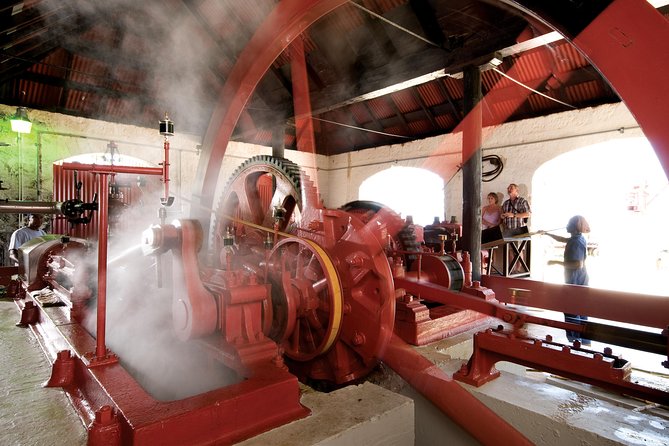
The plantation story becomes physical at the syrup operation. You’ll visit the syrup factory, including a working steam mill dating to about the late 1800s. This is one of those stops that clicks for both history fans and people who just want to see how things actually ran.
Here’s what makes it valuable: rum starts as sugarcane, not as a bottle on a shelf. Seeing cane crushing and syrup production machinery helps you understand why rum culture is so tied to Barbados itself. Even if you’ve had rum before, this part gives you the process behind the product.
You might also notice a vintage steam railway element on site. Some visitors plan around it because it’s an extra way to get a different view of the property and its working vibe. If it’s operating when you arrive, it’s worth factoring into your time so you don’t feel rushed at the end.
The rum distillery: tasting that connects to what you saw
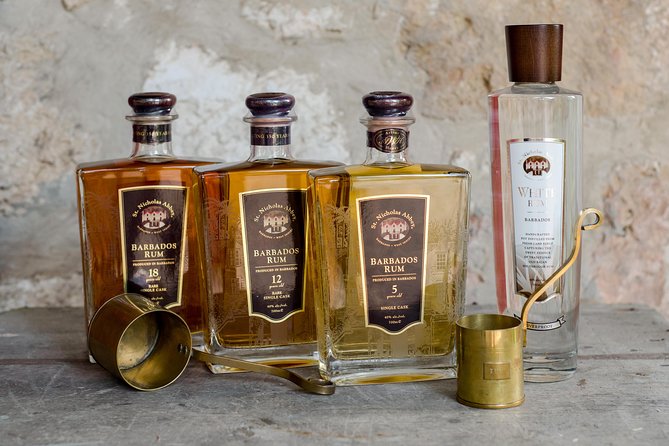
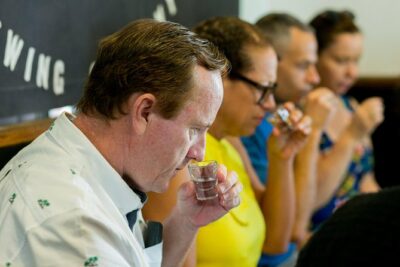
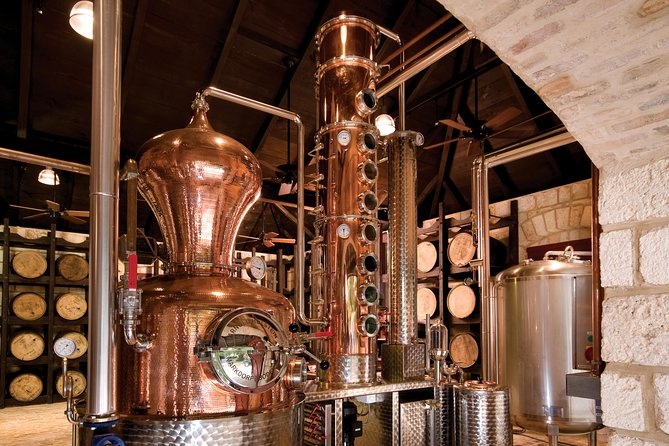
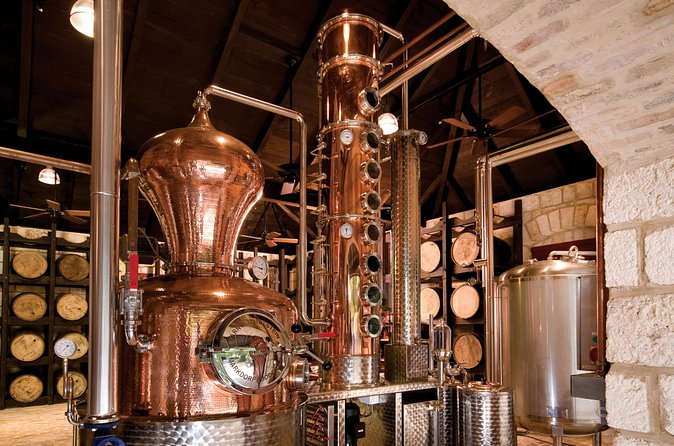
The tour finishes at the rum distillery. This is where the day’s steps connect: you’ve seen the Great House, the plantation context, and then the syrup process. Now you get to taste rum made from cane, from production to the bottle.
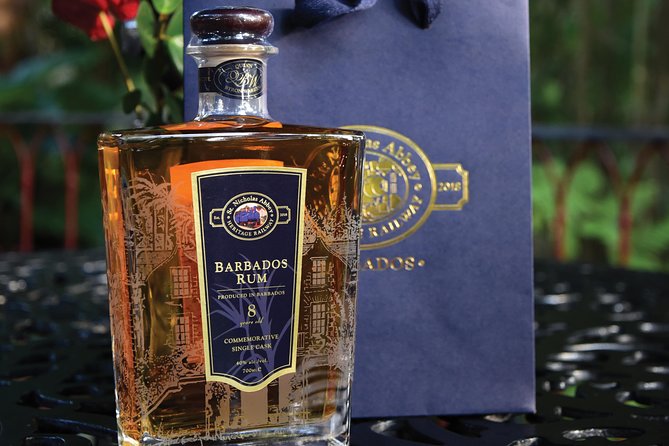
You’ll receive a rum tasting and a complimentary drink. Some tastings include a focus on aged rum styles, and it can turn into a more lively, personal chat if your host is in story mode. On the day, you may meet Simon Warren, a family member of the owners, during the tasting. That kind of host energy adds humor and warmth to what could otherwise be a quick pour-and-go.
That said, one caution I’d flag: the tasting portion isn’t long. It’s set up as a guided highlight, not a multi-hour seminar. If you want a big tasting flight with lots of time for comparisons, you may wish the tasting lasted longer. Plan for a short, well-paced sampling rather than a marathon.
Setting your own pace: gardens, quiet corners, and the terrace cafe
One of the smartest aspects of this experience is that you’re not forced to move like a stampede. The setup encourages you to set your own pace, especially as you explore the house interior and then look around the property’s quieter spaces.
That matters because St. Nicholas Abbey isn’t only about facts. The gardens and calm areas are where you’ll slow down and take in the setting, and where the day stops feeling like a checklist. You’ll also appreciate this if you like photography, but don’t want to sprint between rooms.
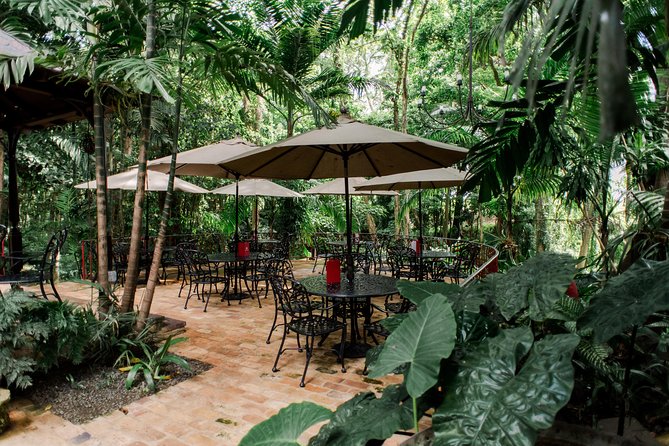
When the tour wraps, you’ve got options. There’s a gift shop and a terrace cafe on site. Visitors often use this time for coffee or to grab lunch on the patio. If you’re hungry, don’t assume you’ll eat somewhere off-site right away—this place is set up for a relaxed follow-through.


Price and value: how $45 stacks up for what you get
At $45 per person, this tour is priced in a way that makes sense if you’ll actually use the full value of the experience: house museum + plantation film + syrup factory with working steam mill + rum distillery with tasting and a complimentary drink.
It’s not just a quick photo stop. Even at a shorter pace, the tour covers multiple chapters of the plantation-and-rum story in one visit. That’s where the value lives.
Still, value depends on your priorities. If your main goal is rum tasting above all else, you might feel the tasting is brief compared to your ideal. If your goal is a connected look at how the island’s plantation economy worked—then the rum becomes a satisfying payoff rather than the only reason you came.
Also consider the timing. The tour runs about 45 minutes to 1.5 hours. That’s a decent slot on an island day, and it helps explain why the tasting stays compact.
Getting there in Saint Peter: taxi timing that saves you stress
The meeting point is Saint Nicholas Abbey in Saint Peter, Barbados, and the tour ends back there. If you’re traveling by taxi, build in extra time so you don’t end up stressed about making the later parts of the program.
A practical tip: ask the taxi driver to pick you up with enough buffer time, especially if you want to squeeze in the distillery portion fully and potentially add the vintage train/railway experience if it’s available.
If you arrive late, you can lose the flow between the house, the steam mill area, and the distillery. And that flow is what makes the day feel coherent.
Who should book St. Nicholas Abbey and the rum distillery
This is a great pick if you like tours that tell a story in sequence. It’s ideal for people who want Barbados history without getting stuck in one room for too long.
You’ll likely enjoy it if you’re:
- Interested in plantation-era life and sugarcane processing
- A rum fan who wants the process behind the pour
- Traveling with a small group or prefer a quieter, capped group size (max 25)
- Looking for a stop that includes both indoor exhibits and outdoor views
It can also work well for first-time visitors to Barbados because it covers several “why the island is the way it is” themes in one go.
Service animals are allowed, and most travelers can participate.
Should you book this tour?
Yes, I think you should book it if you want a single, well-rounded visit that connects Great House → plantation context → steam-powered syrup production → rum tasting. The price feels fair when you treat it as a full experience, not only as a distillery stop.
Skip or adjust expectations if your top priority is a long rum tasting session. The tasting is a highlight, not a deep, extended flight. Also, if you hate time limits and prefer to linger indefinitely, keep in mind the total tour window is relatively short.
If you’re excited by historic buildings, machinery, and a rum finale that feels earned, St. Nicholas Abbey is one of the better-value ways to spend an island morning or early afternoon.
FAQ
How long does the St. Nicholas Abbey and rum distillery tour take?
The experience lasts about 45 minutes to 1 hour 30 minutes.
What does the tour cost?
It costs $45.00 per person.
What is included in the price?
The tour includes admission for the St. Nicholas Abbey portion, a guided tour of the Great House and museum elements, a plantation film, the syrup factory with the working steam mill, and the rum distillery with rum tasting plus a complimentary drink.
Where does the tour start and end?
The tour starts at Saint Nicholas Abbey in Saint Peter, Barbados, and ends back at the same meeting point.
Is this tour self-guided?
You make your own way into the Abbey and can set your own pace to explore parts of the property.
Is there a rum tasting?
Yes. Rum tasting is included at the distillery, along with a complimentary drink.
Is there food on site?
A gift shop and a terrace cafe are available for visitors taking the tour, so you can grab coffee or lunch there.
How big is the group?
The tour has a maximum of 25 travelers.
Are service animals allowed?
Yes, service animals are allowed.
What is the cancellation policy?
Cancellation is free up to 24 hours in advance for a full refund. If you cancel less than 24 hours before the start time, the amount paid is not refunded.