REVIEW · AQABA
2 Hour Jeep Tour – Wadi Rum Desert & Canyon
Book on Viator →Operated by Wadi Rum Nights · Bookable on Viator
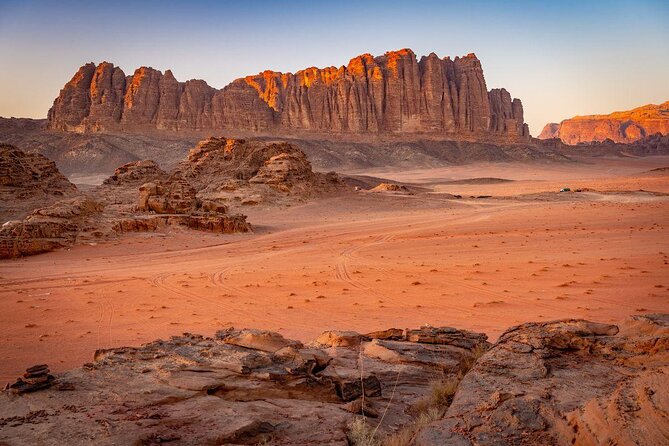
Two hours, one jaw-dropping desert. This Wadi Rum Jeep Tour from Aqaba is a fast, well-paced way to see key sites with an English-speaking Bedouin guide. You’ll roll through the Wadi Rum Protected Area and a canyon route designed for short time windows.
I love the blend of ancient carvings and big views, from a Nabatean temple area to Thamudic petroglyphs in a narrow canyon. I also like that you’re not going out dry: you get bottled water plus coffee and/or tea, including Bedouin tea.
The main drawback is simple: it’s a short tour. You’ll hit the highlights, but you won’t have the kind of time you’d want for long hikes or hours of wandering.
In This Review
- Key highlights that make this tour worth your time
- Two Hours in Wadi Rum: what this jeep tour delivers
- Meeting at Wadi Rum Rest House: how the start sets the tone
- Stop 1: Wadi Rum Protected Area and the Temple of Allat
- Stop 2: Lawrence’s Spring and the views beyond a small pool
- Stop 3: Red Sand Dune (Al Hasany / Al Ramal) and the barefoot walk
- Stop 4: Jebel Khazali canyon petroglyphs and inscriptions
- Coffee, tea, and staying comfortable on a desert route
- Price and value: is $35 per person a good deal?
- Who should book this Wadi Rum Jeep Tour
- Book or pass: the quick decision guide
- FAQ
- FAQ
- How long is the 2 Hour Jeep Tour – Wadi Rum Desert & Canyon?
- What does the tour cost?
- Where does the tour start and end?
- What time does the tour begin?
- How many people are in the group?
- What stops are included during the tour?
- Are admission tickets included?
- Is lunch included?
- Can I add a camel ride?
- Are service animals allowed?
- What happens if weather is bad?
Key highlights that make this tour worth your time
- Temple of Allat at the Wadi Rum Protected Area: Nabatean temple dedicated to Goddess Allat, with a nearby luxury bath complex.
- Lawrence’s Spring + Fig Tree area: a short scramble up to the spring, with views that make the stop feel larger than the water itself.
- Red Sand Dune (Al Hasany / Al Ramal): smooth, soft sand that’s perfect for a barefoot walk up the dune.
- Jebel Khazali canyon petroglyphs: Thamudic, Nabatean, and Islamic inscriptions carved into the canyon walls.
- A guide who keeps things moving but flexible: you can usually take your time at each stop without feeling rushed.
Two Hours in Wadi Rum: what this jeep tour delivers
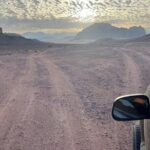
If your time in Jordan is tight, this is the kind of tour that keeps you from missing the best-known Wadi Rum moments. You’re not trying to cover everything in the reserve on foot. Instead, you use a jeep for the driving and spend your energy on the photo points, the short walks, and the canyon views.
The strongest payoff here is variety. One stop leans archaeological—temples and carved walls. Another leans scenery—big desert vistas framed by cliffs. Then you get the tactile part: sand you can walk on, and a canyon you can physically feel as the walls pinch closer.
The other quiet win is pacing. A group this size (maximum 20) can still move as one unit, but you’re not stuck in a mega-tour situation. That matters in Wadi Rum, because the best “wow” moments depend on getting to the right places with enough time to look, not just pose and go.
You can also read our reviews of more tours and experiences in Aqaba.

Meeting at Wadi Rum Rest House: how the start sets the tone
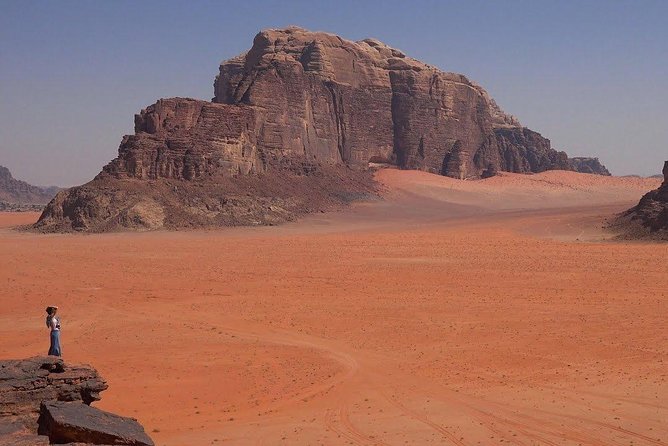
You’ll meet at Wadi Rum Rest House in Wadi Rum Village, and the tour ends back at the meeting point. The start time is 11:30 am, and the experience runs about 2 hours.
That 11:30 start is practical. It’s late enough that you won’t feel like you’re rushing out of bed at dawn, but early enough to still enjoy good daylight for canyon walls and desert color. If you’re connecting from Aqaba, it also helps you avoid losing a full day to getting around.
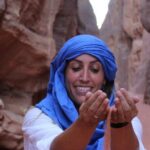
You’ll be with a Bedouin guide who speaks English, and the vibe is meant to be welcoming, not formal. One of the standouts in the feedback is how clearly guides communicate and how comfortable people feel during the ride—especially solo visitors who want to feel secure without having to think about logistics every minute.
Stop 1: Wadi Rum Protected Area and the Temple of Allat
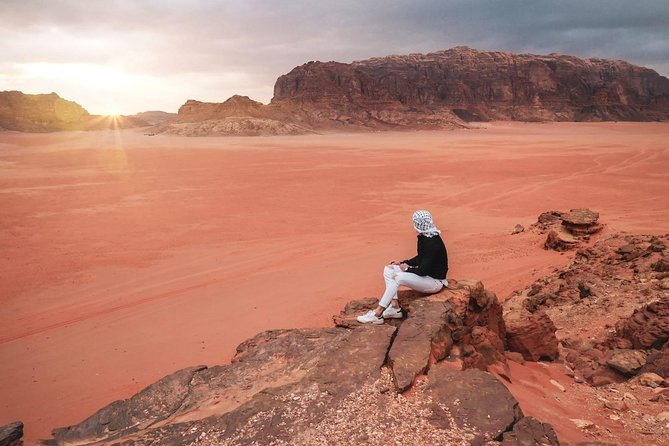
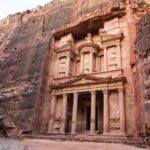
Your first major stop is the Wadi Rum Protected Area, focused on a Nabatean temple complex dedicated to the Goddess Allat. The temple sits alongside a palatial residence and a nearby luxury bath complex, so even though you’re in a desert reserve, you’re not just seeing rocks—you’re seeing a place built for ritual life.
What I like about starting here is that it gives context fast. Wadi Rum can look like pure scenery from far away. But early in the tour, you shift from “wow, the desert” to “wow, people lived and believed here,” which makes later stops more meaningful.
Time at this stop is limited, so you’ll want to be ready to look closely at what’s in front of you. If you’re the type who likes to read every inscription or count each rock carving, this might feel short. But as an introductory hit to Wadi Rum’s cultural layers, it’s a strong opening move.
Stop 2: Lawrence’s Spring and the views beyond a small pool
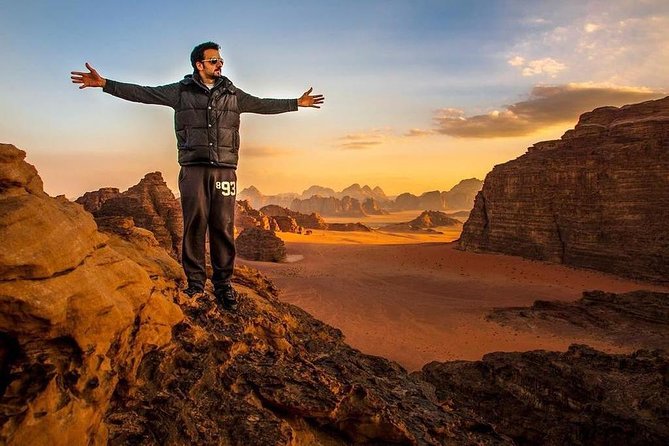
Next up is Lawrence’s Spring—a stop tied to Lawrence of Arabia, with a reference connected to The Seven Pillars of Wisdom. The spring is at the top of a short scramble. You head toward the Fig Tree, about 2 km southwest of Wadi Rum village.
Here’s the honest trade-off: the pool itself is largely described as unimpressive and stagnant. But the views across the desert are the real reward, and that’s what turns a small water spot into a memorable viewpoint.
I’d treat this as your “pause and look” moment. You’re not stopping here just for water photos. You’re stopping to orient yourself in the desert—how cliffs, dunes, and open ground lay out in long lines. Those views help you understand what you’ll see again at later stops, especially once the tour gets to the canyon.
Also, because you’ll be doing a short scramble, you’ll feel better if you come with footwear that can handle sandy rock surfaces. You don’t need hiking boots, but skip anything that gives you no grip at all.
Stop 3: Red Sand Dune (Al Hasany / Al Ramal) and the barefoot walk
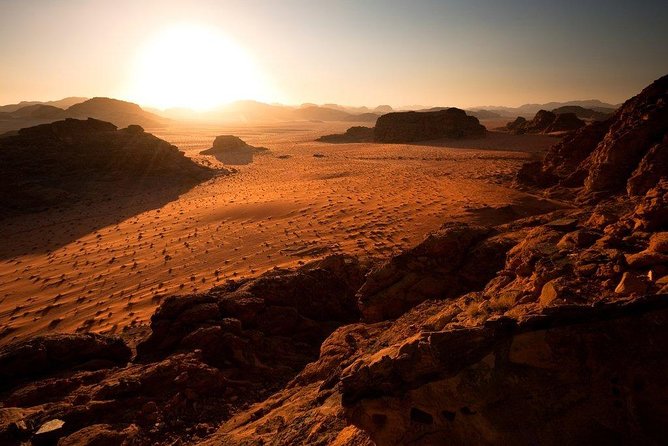
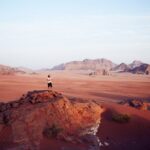
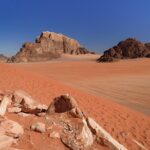
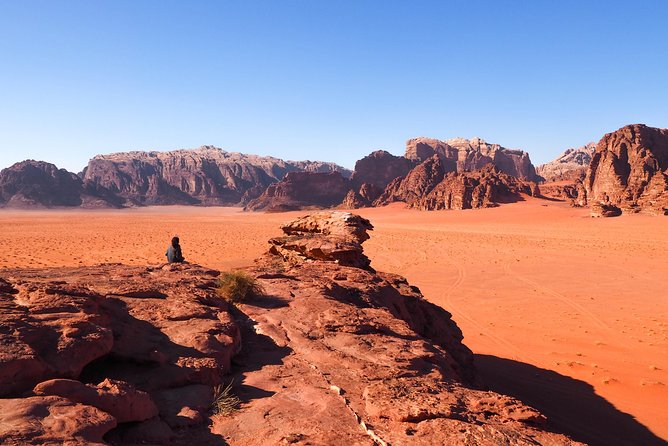
This is the stop most people picture when they think of Wadi Rum. You visit the Red Sand Dune, known as Al Hasany in Arabic, and officially named Al Ramal. It’s described as looking like part of the mountain, sitting against a cliff side like it grew there.
The reason this works on a short tour: the dune is meant to be walked. The sand is smooth and soft underfoot, and it’s specifically noted as a great spot for a barefoot walk up the dune. That’s one of those rare opportunities where you don’t just look at a place—you physically experience it.
A practical note: if you plan to go barefoot, give your guide a second for guidance. You’ll want to make sure the sand is comfortable under your feet and that you’re not rushing. If you’re wearing sandals, you might keep them on for approach and then take them off for the dune climb, depending on what feels right to you.
This stop also tends to be where people slow down naturally. The combination of red sand, cliff walls, and soft footing makes it hard to stay in “tour mode.” You end up taking time to look back, not just forward.

Stop 4: Jebel Khazali canyon petroglyphs and inscriptions
The final highlight is Jebel Khazali, including Khazali Canyon, a narrow valley about 100 meters long. This is the petroglyph stop, and it’s also where Wadi Rum shifts again—from open vistas to tight canyon walls packed with carvings.
The canyon contains petroglyphs etched into cave walls showing humans and antelopes dating back to the Thamudic era. There are also Nabataean rock carvings of humans and animals, plus Thamudic, Nabatean, and Islamic inscriptions. One particularly striking detail is the “soles of feet” petroglyphs, which might have had religious significance.
This stop is valuable for two reasons. First, the canyon makes the carvings feel close and specific rather than distant shapes. Second, the mix of different time periods means you’re seeing how meaning layered over centuries.
The drawback? Again, time is short. If you want to study inscriptions line-by-line, you’ll probably wish you had more minutes. Still, even a short visit can hit hard if you’re paying attention to the scale—how the canyon narrows, how the carvings sit on the walls, and how the figures change with perspective as you move.
Coffee, tea, and staying comfortable on a desert route
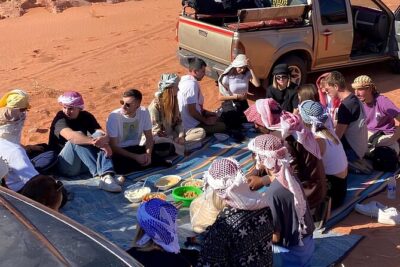
This tour includes coffee and/or tea, plus bottled water and Bedouin tea. In the desert, that’s not a tiny add-on. It changes how you experience the day. You’re not trying to make it through hot driving and short walks while thinking about where you’ll get your first drink.
One of the tour impressions from feedback is that people feel taken care of throughout, not just “delivered” to sites. That matters most when you’re on a tight schedule. If your guide knows how to pace the group and keep communication clear, you feel calmer, and you look longer at the things that make Wadi Rum special.
If you’re sensitive to sun, bring a hat and sunglasses. The tour provides water, but you’re still responsible for your comfort in the heat.
Price and value: is $35 per person a good deal?
At $35 per person, this is priced like an efficient “highlights” tour, not a long luxury excursion. For that price, you’re getting a guided jeep experience, Bedouin tea and other drinks, bottled water, and included admission tickets at every described stop.
That admission part matters more than it sounds. When you’re switching between multiple sites in a reserve area, entrance fees add up fast. Bundling them into one tour price makes it easier to plan your total day without surprise costs.
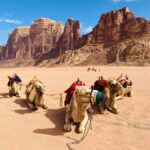
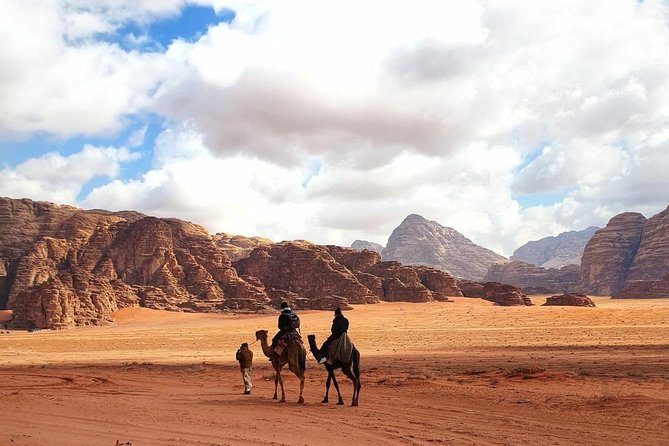
What’s not included is also clear. Lunch isn’t included, but it can be added as an extra. A camel ride is listed as JD 15.00 per person if you want to add it. So if you’re trying to keep costs controlled, plan on handling your food outside the tour.
In my view, this is a great value when you want the “greatest hits” in a limited time window. It’s not the best fit if you want hours of deep wandering, off-the-jeep exploring, or a full meal plan built into the schedule.
Who should book this Wadi Rum Jeep Tour
This tour makes sense for:
- First-timers who want the main Wadi Rum sights without an all-day plan
- Solo visitors who want a guided route with a steady sense of safety and communication
- People who like short walks + big viewpoints rather than long hikes
- Travelers who want cultural stops (Allat temple area, petroglyph canyon) paired with scenery
It might not be ideal if you:
- Need a lot of time to read inscriptions or take long, slow hikes
- Want lunch included in your ticket price
- Are hoping for a full-day desert experience with minimal moving
If you’re on the fence, think of this tour as a smart “starter set.” It gives you enough to decide what you’d want more of if you return.
Book or pass: the quick decision guide
If you have about two hours and you want a focused sweep through Wadi Rum’s most recognizable stops, I’d book this. You get the protected-area cultural hit, Lawrence’s Spring viewpoints, the iconic red dune, and the Jebel Khazali petroglyph canyon—plus Bedouin tea and water—without turning it into a half-day project.
If your schedule allows more time, you might later add a longer desert walk or an extended route. But for a short stop in Wadi Rum, this tour is a practical way to get real substance, not just a drive-by.
One last point: Wadi Rum is weather-dependent. If conditions are poor, the tour may change dates or offer a refund, so stay flexible.
FAQ
FAQ
How long is the 2 Hour Jeep Tour – Wadi Rum Desert & Canyon?
The tour is about 2 hours.
What does the tour cost?
It costs $35.00 per person.
Where does the tour start and end?
It starts at Wadi Rum Rest House in Wadi Rum Village, Jordan, and ends back at the same meeting point.
What time does the tour begin?
The start time is 11:30 am.
How many people are in the group?
The tour has a maximum of 20 travelers.
What stops are included during the tour?
You’ll visit the Wadi Rum Protected Area (including the Nabatean temple dedicated to Goddess Allat), Lawrence’s Spring, the red sand dune (Al Hasany/Al Ramal), and Jebel Khazali with the Khazali Canyon petroglyphs and inscriptions.
Are admission tickets included?
Admission tickets are included for each of the described stops.
Is lunch included?
No, lunch is not included, though it can be added as an extra.
Can I add a camel ride?
Yes. A camel ride is listed as JD 15.00 per person (extra).
Are service animals allowed?
Yes, service animals are allowed.
What happens if weather is bad?
This experience requires good weather. If it’s canceled due to poor weather, you’ll be offered a different date or a full refund.