REVIEW · AQABA
Two-Hour Jeep Safari “Wadi Rum Highlights!” w/ Professional Guide
Book on Viator →Operated by Wadi Rum Camp and Tours · Bookable on Viator
Red sand moves fast in two hours. This Wadi Rum highlights jeep safari is a quick hit of UNESCO-protected desert scenery, with a professional Bedouin guide and classic stops like Lawrence’s Spring. I like that the plan is tight and photo-friendly from the 4×4, and I also like the human touch: Bedouin tea and desert-culture stories during the ride.
The one trade-off is the clock. With roughly 2 hours on the go, you’ll see major sights, but you won’t have long, slow time at each one if you prefer hiking and lingering.
In This Review
- Key things to know before you go
- A 2-Hour Wadi Rum Jeep Safari That Actually Fits a Day
- Meeting at Wadi Rum Rest House and Choosing Your Jeep Seat
- Lawrence’s Spring: Shrine, Aqueduct, and Bedouin Tea Stories
- Red Sand Dunes and the Martian-Feeling Desert Look
- Khazali Canyon (Jebel Khalazi) Inscriptions: The Rock That Talks
- Small Arch and a Natural Rock Bridge Scramble
- Guide Quality: Why Abdurman’s Kind, Prepared Approach Matters
- Price and What You’re Really Buying at $49.33
- What to Bring for a Dusty, Sun-Forward Ride
- Who This Tour Suits Best (And Who Might Want Longer)
- Should You Book This Wadi Rum Highlights Jeep Safari?
- FAQ
- How long is the Two-Hour Jeep Safari?
- Where does the tour start and end?
- What sites are included in the Wadi Rum highlights?
- What’s included in the price?
- Can I add a camel ride, and how much does it cost?
- What should I bring?
- Can I get a refund if I cancel?
Key things to know before you go
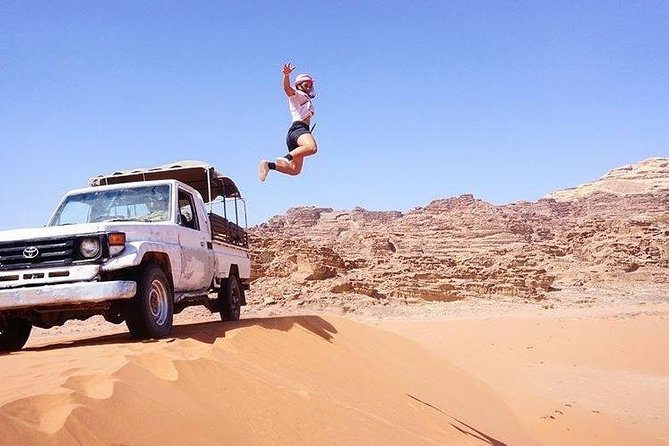
- A Bedouin guide with real desert context: you get explanations of desert culture, plus traditional tea
- Main valley highlights, efficiently: Lawrence’s Spring, red sand dunes, Khazali Canyon, and a small arch
- Khazali Canyon inscriptions (Jebel Khalazi): one of the most memorable stops for rock markings
- Photo angles from two seating styles: inside the jeep or on rear trunk seats for a better view
- Water included; camel ride is optional: add a half-hour or full hour if you want it
- Customizable extras on request: lunch/snacks can be arranged if you ask in advance
A 2-Hour Wadi Rum Jeep Safari That Actually Fits a Day
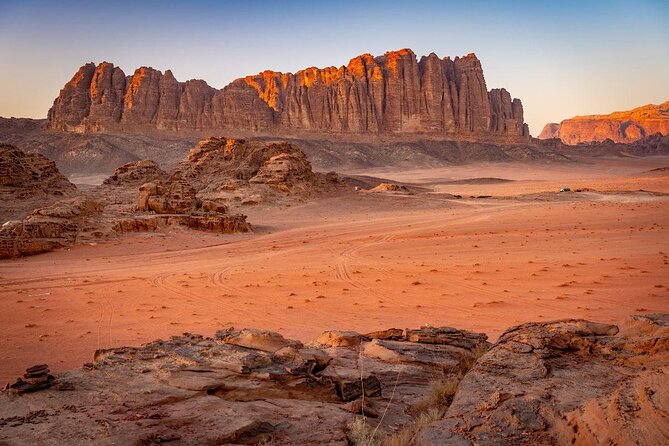
Wadi Rum can swallow a whole day. The smart move here is going when you want the big sights without turning your schedule upside down. This is a two-hour “highlights” format, built for seeing multiple landmarks in one go, not for slow exploration.
I like how this kind of timing works for first-timers. You’ll get oriented fast: what the desert looks like from a vehicle, which valleys are famous, and where the iconic rock features are. If your trip is short, or you’re juggling Aqaba beach time and a busier itinerary, this fits.
The value angle is simple: you’re paying for access and interpretation, not for waiting around. Your guide moves you between key photo stops while keeping the story flowing. And because it’s a private tour/activity for your group, you’re not stuck absorbing someone else’s pace.
You can also read our reviews of more tours and experiences in Aqaba.

Meeting at Wadi Rum Rest House and Choosing Your Jeep Seat
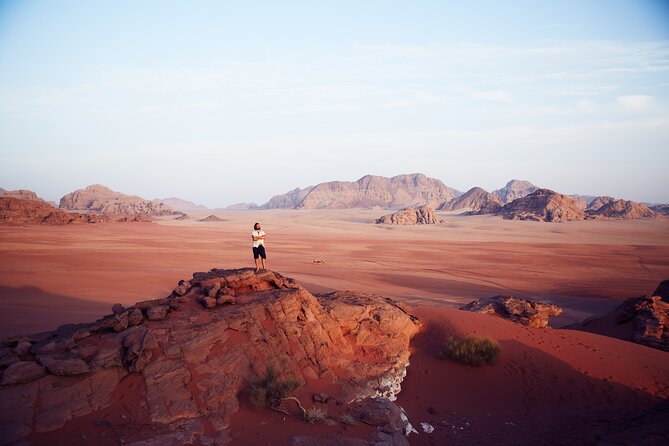
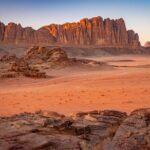
You’ll start at the Wadi Rum Rest House in Wadi Rum Village, and the tour ends back at the same meeting point. The start time is 9:30 am, which is handy because you’re on the road early while light and temperatures are often more comfortable.
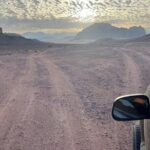
One detail that matters more than you’d think: seating. You can choose to sit inside the jeep or on seats built into the rear trunk, and the second option is the one that typically gives you the best views. If you’re photographing, expect dust on the ride either way, so plan for a camera strap and wipe-down cloth.
Also, this isn’t a generic ride where you stare at the backs of other jeeps. It’s hosted by professional Jordanian Bedouin guides, and they drive with the goal of hitting the main sites efficiently within the time window.
Lawrence’s Spring: Shrine, Aqueduct, and Bedouin Tea Stories
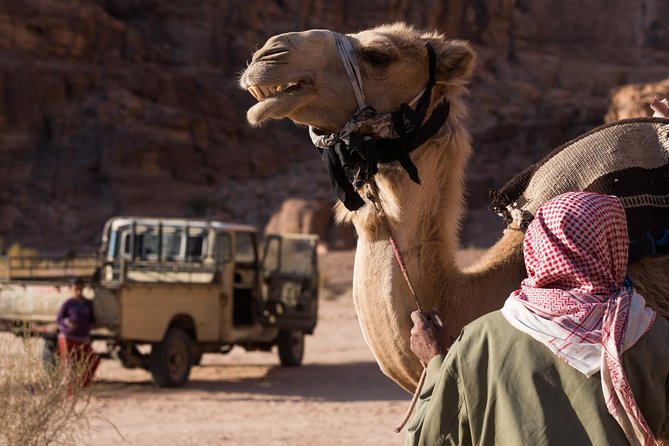
The first big landmark is Lawrence’s Spring, a stop with both natural importance and historical curiosity. At this spring, you’ll see the shrine and the aqueduct—details that help you understand how water and survival worked in this desert long before modern infrastructure.
This is a great pause point because it’s not just “pretty sand.” You get a human explanation of why this area mattered and what people did to manage scarce water. When you learn the story, the photos become more than scenery shots.
Another reason I like this stop: it sets the tone. After Lawrence’s Spring, the ride shifts into pure desert geometry—dunes, canyons, and rock forms. And because the guide prepares traditional tea during the experience, this is often where the whole thing feels most grounded and calm, even with the jeep moving around you.
Red Sand Dunes and the Martian-Feeling Desert Look
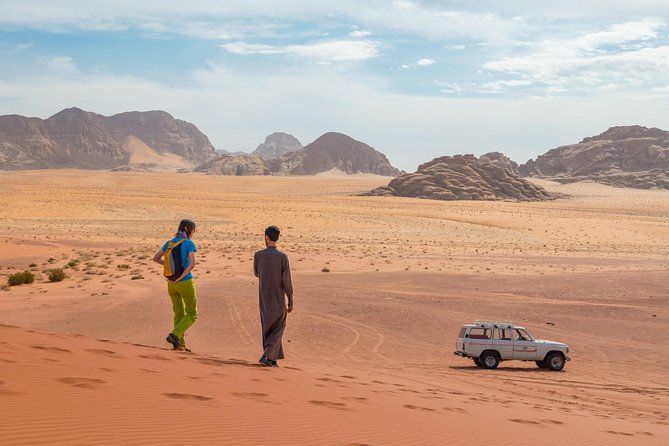
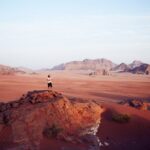
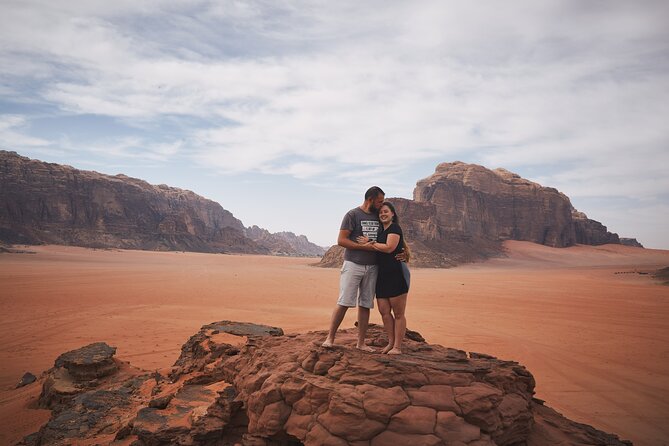
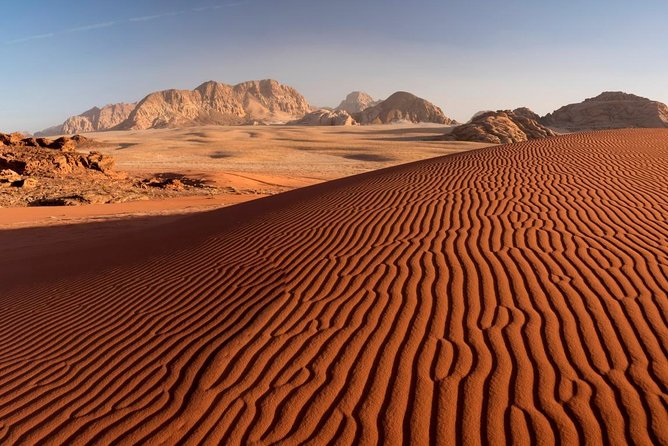
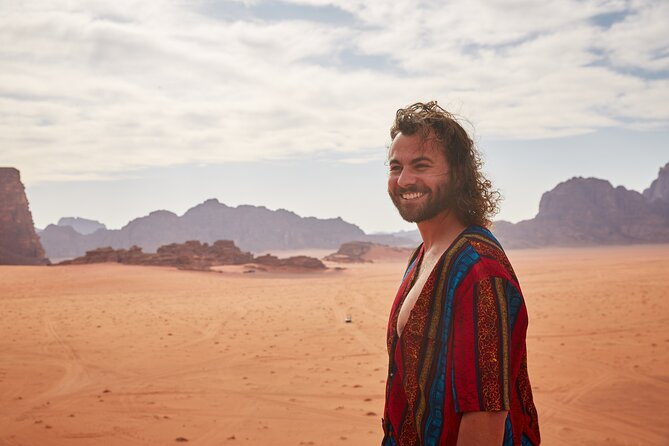
You’ll spend time at the red sand dune area, and this is where Wadi Rum’s famous “Mars-like” look really hits. The color isn’t subtle. It’s bold, sculpted by wind and time, with rock edges that look almost too sharp to be real.
What makes the dune stop valuable is speed with purpose. In a two-hour tour you don’t have time to wander endlessly, so your best bet is to focus on the driving lines and photo angles. If you choose rear trunk seating, you’ll get a wider view over the sand as the jeep moves, which makes your pictures look more dynamic.
Photo advice that keeps you from wasting time: take a few quick wide shots first, then look for one or two “foreground + horizon” frames where dunes curve into the distance. That’s the shot that looks like Wadi Rum, not just sand.
Khazali Canyon (Jebel Khalazi) Inscriptions: The Rock That Talks
Next up is Khazali Canyon, also referred to as Jebel Khalazi, where you’ll see inscriptions carved into the rock. This is one of the stops that turns a jeep safari into something more interesting than sightseeing.
The inscriptions matter because they give you evidence that humans have been looking, traveling, and leaving marks here for a long time. Even if you’re not a history nut, the visuals are striking: lines and shapes on the canyon walls that feel like messages written for someone who was standing in the same spot.
The drawback of this kind of stop is that it’s not “one perfect photo.” You might need to reposition slightly to catch the inscriptions in better light or a clearer angle. The good news is the guide helps you get to the right viewpoint without turning it into a long hike.
If you care about authenticity in your photos, this is where you’ll feel it most. It looks like the desert didn’t get turned into a theme park. It looks like you found a real place.

Small Arch and a Natural Rock Bridge Scramble
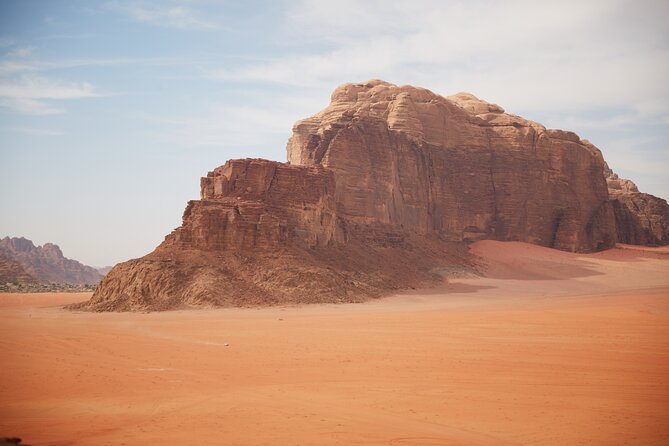
The tour includes a small arch and also that scramble moment—your guide will help you climb your way up and over a natural rock bridge. This is the part that adds a bit of adventure without eating your whole afternoon.
Scrambling in Wadi Rum is usually short and manageable, but it does require good footing. Closed-toe shoes matter here, because you’ll want grip on rocks that can be uneven. If you’re expecting a totally smooth ride, this is your reality check: you’ll step out and move around a bit.
This stop is also where you get the best “wow” angles. From the right position, you can frame the arch or bridge against open desert, giving your pictures that instant sense of scale. If you’re traveling with people who like active moments, this will be a highlight for them too.
Guide Quality: Why Abdurman’s Kind, Prepared Approach Matters
The guide experience is not a small detail in Wadi Rum. A professional Bedouin guide shapes the whole day—what you notice, where you stop, and how you make sense of the terrain.
I especially like the way experienced guides handle both logistics and storytelling. One named guide you may meet is Abdurman, described as well prepared, kind, and attentive. That combination is exactly what you want in a short tour: someone who keeps the timing tight but still makes you feel looked after.
This tour also leans into culture, not just driving. You’ll get desert culture explanations and traditional tea, which helps you feel less like you’re passing through and more like you’re being hosted.
Price and What You’re Really Buying at $49.33
At about $49.33 per person, you’re paying for a guided 4×4 route through Wadi Rum’s protected area, plus bottled water. For many travelers, that’s the real bargain: you’re not just buying transport—you’re buying access to the right stops and a guide who knows what to point out.
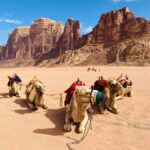
Camel riding is optional, not included. If you want it, the add-on is 10 JOD for half an hour or 15 JOD for a full hour. That’s not a small upgrade, but it’s also a clear, addable experience. If you only have time for one “animal encounter,” decide based on your priorities.
Lunch and snacks aren’t included, but the provider says they can customize tours and arrange delicious lunch/snacks if you request it in advance. In practice, that means this “highlights” jeep safari can still flex for your day, as long as you plan ahead.
One budgeting note that can save you stress: you should bring cash in JOD, since card payment isn’t accepted and the nearest ATM is in Aqaba. If you’re staying nearby, you’ll still want to have it ready before you go.
What to Bring for a Dusty, Sun-Forward Ride
Wadi Rum isn’t the place to show up underprepared. Bring your suncream, hat, and sunglasses, and wear closed-toe shoes. Those last shoes are for both comfort and scrambling at the rock bridge stop.
Also, pack with the jeep ride in mind. Even when you’re riding inside, expect sand and sun exposure. A small towel or wet wipes can make the end of the tour feel less like a film of dust over everything.
And think practically about what you’ll do with your phone or camera. A strap is smarter than hand-holding everything, especially when you’re moving between stops in a vehicle.
Who This Tour Suits Best (And Who Might Want Longer)
This two-hour highlights safari is best for people who want the iconic Wadi Rum experience without getting buried in logistics. You’ll enjoy it if you like:
- quick orientation in a new place
- photo stops with minimal walking
- a guide who explains what you’re seeing
It’s also a strong fit in colder weather. One of the guide experiences was on December 31, and the tour was described as enough because it’s cooler. In cooler months, a shorter tour can feel more comfortable than longer full-day trips.
Who might want a longer tour instead? If you want lots of time to hike, do more walking between viewpoints, or you prefer a slower pace where you don’t feel like you’re racing to the next stop, then longer Wadi Rum jeep routes will likely feel better.
Should You Book This Wadi Rum Highlights Jeep Safari?
Book it if you want the key Wadi Rum sights with a professional Bedouin guide, in a format that won’t steal your whole day. The route hits the right “greatest hits” points—Lawrence’s Spring, Khazali Canyon inscriptions, dunes, and the small arch—plus that natural rock bridge scramble for a bit of adventure.
Skip it (or consider a longer option) if you know you need time to linger at each viewpoint or you’re hoping for a slow, hiking-heavy day. Here, the strength is efficiency, not extended exploration.
If you do book, I’d focus on two things: show up with the right footwear for scrambling, and bring the cash in JOD so you’re not scrambling at the end of the day. With that handled, you’ll get a well-organized desert ride that packs real places and real explanations into a short window.
FAQ
How long is the Two-Hour Jeep Safari?
It runs for about 2 hours (approx.). You’ll start and end back at the same meeting point in Wadi Rum Village.
Where does the tour start and end?
The tour starts at Wadi Rum Rest House in Wadi Rum Village, Jordan, and it ends back at that same location.
What sites are included in the Wadi Rum highlights?
You’ll visit the main valley highlights such as Lawrence Spring, a red sand dune, Khazali Canyon (Jebel Khalazi) with inscriptions, and small arch. The experience also includes climbing your way up and over a natural rock bridge.
What’s included in the price?
The price includes bottled water. A camel ride is not included by default, but it can be added for an extra fee.
Can I add a camel ride, and how much does it cost?
Yes. You can add a camel ride for 10 JOD for half an hour or 15 JOD for a full hour.
What should I bring?
Bring suncream, a hat, sunglasses, and closed-toe shoes. Lunch is not included, but you can request lunch/snacks in advance.
Can I get a refund if I cancel?
Yes. You can cancel for a full refund if you cancel at least 24 hours before the experience starts.