REVIEW · AQABA
Wadi Rum Full Day Jeep Tour – Stargazing Overnight in a Cave – Traditional Food
Book on Viator →Operated by Wadi Rum Desert Dreams · Bookable on Viator
Wadi Rum is one of those places that feels unreal. This small-group jeep day threads through major protected-area sights, then swaps the wheel tracks for a cave sleep under a sky full of stars. You’ll get a full day of stops plus a second morning in the desert, with meals handled from start to finish.
What I love most is the pace: you move by jeep between big-name spots, but you still get real time to climb, walk, and look around. I also like the food setup—your guide cooks traditional meals outside, then you settle in again for Bedouin tea at the best viewing moments.
One thing to think about: some stops involve climbing dunes and scrambling on rock formations, so you’ll want moderate physical comfort even though it’s not a hard hike.
In This Review
- Key points before you go
- Meeting at Wadi Rum Village: Where the Day Actually Starts
- Lawrence Spring, Khazali Canyon, and the Early Highlights by Jeep
- Lawrence Spring: the oasis that breaks the color spell
- Jebel Khazali / Khazali Canyon: inscriptions and carved meaning
- Red Sand Dunes and Rock Bridges: Photos, Climbing, and Real Desert Fun
- Red Sand Dune: a climb that looks easy, then isn’t
- Little Bridge: shorter climb, quick payoff, tea waiting
- Umm Fruth Rock Bridge: your guide helps you get the shot
- Outdoor Lunch by Fire: What You Eat Changes How You Remember This Day
- Abu Khashaba Canyon, Lawrence’s House, and the Geological Story Walk
- Abu Khashaba Canyon: green contrast and a quiet walk
- Lawrence’s House: stone piles as road markers
- White Desert, Mushroom Rock, and Burdah: The Shape-Spotting Portion
- White Desert: different sand, different vibe
- Mushroom Rock: shelter shapes from erosion
- Burdah Rock Bridge: why you only admire this one from near the route
- Sunset Viewpoint Tea: The Moment That Makes Stargazing Feel Worth It
- Cave Overnight for Stargazing: Sleeping Gear and a Night You Can’t Rush
- Day Two Sunrise Breakfast and Getting Back to the Rest House
- Price and Value: What $123.76 Buys You in Real Terms
- Who This Tour Suits Best (and Who Should Pick Something Else)
- Should You Book the Wadi Rum Full Day Jeep Tour with Cave Stargazing?
- FAQ
- FAQ
- What time does this tour start?
- How long is the Wadi Rum tour?
- Is lunch and dinner included?
- Where do you sleep for stargazing?
- What’s not included in the price?
- Is this a small-group tour?
Key points before you go
- Meet in Wadi Rum Village at the Rest House, with a straightforward start around 10:00 am
- Lawrence Spring gives you an actual oasis moment with green moss and cool water running down the rock
- Umm Fruth Rock Bridge is built for photos, and your guide handles the picture logistics
- Sunset tea at a secluded viewpoint is timed for the best light in the desert
- Overnight in a remote cave includes sleeping gear for stargazing night skies
- All meals included, including breakfast at the cave and lunch cooked outdoors
Meeting at Wadi Rum Village: Where the Day Actually Starts
Most people picture Wadi Rum as pure desert theater—big red tones, huge rocks, and silence. The day starts more practically than that. You meet at the Rest House in Wadi Rum Village, the office right as you enter the village area. There’s usually a small supermarket and souvenir shop nearby, but the key thing is that this is the launch pad where your group gathers and your guide confirms everyone is accounted for.
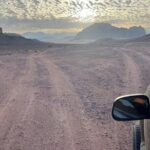
Once everyone is present and welcomed, the jeeps roll out (commonly around 10:00 am). This matters because Wadi Rum heat can build fast. Starting in the morning gives you better comfort for the first outdoor stops and more forgiving light for photos.
A small group size is also part of the value here. The tour caps at 15 travelers, which usually means less waiting around and more of a “we’ll stop, we’ll see, we’ll go” rhythm. In a place as visually intense as Wadi Rum, that pacing is a gift.
You can also read our reviews of more tours and experiences in Aqaba.

Lawrence Spring, Khazali Canyon, and the Early Highlights by Jeep
Day 1 is a full circle of Wadi Rum highlights, and the first stops set the tone: nature first, then geology, then inscriptions you can’t unsee.
Lawrence Spring: the oasis that breaks the color spell
The stop at Lawrence Spring is short—about 30 minutes—but it hits hard. You’ll find cool water running down the mountains, with camels drawn to the spot. There are small trees and even a patch of almost fluorescent green moss, which makes the whole area feel like an accidental miracle in the desert.
If you like small details, this is for you. You can relax in the way Bedouin herders and their animals used to, or you can climb a bit for broader views and to spot Thamudic-origin inscriptions.
Jebel Khazali / Khazali Canyon: inscriptions and carved meaning
Next is Khazali Canyon, where the scenery tightens into a canyon passage between split mountains. You walk into a place that feels like time compressed. The canyon holds traces linked to merchants traveling between Egypt and Damascus and pilgrims who passed toward Mecca.
Then there are the inscriptions—Thamudic, Nabatean, and Islamic marks—and petroglyphs showing humans, animals, and even soles of feet. It’s a reminder that Wadi Rum wasn’t just scenery for movie makers; it was a route for real people.
Note the trade-off: it’s only a 30-minute stop. That’s enough for the main sights, but if you’re the type who wants to linger and read everything, you’ll move quickly unless your guide lets you stretch.
Red Sand Dunes and Rock Bridges: Photos, Climbing, and Real Desert Fun
This tour leans into Wadi Rum’s most famous textures. The red sand, the bridges, the dramatic shapes—this is where your camera battery gets tested.

Red Sand Dune: a climb that looks easy, then isn’t
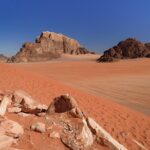
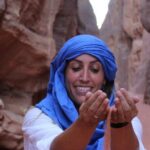
One of the most famous dunes on the route is the Red Sand Dune stop. You’ll climb toward panoramic views of the valley, and the experience is exactly like it sounds: it looks simple, but the sand is soft and tough on your legs. The reward is big views at the top.
For getting down, you have options. The tour describes running or sandboarding as a fun way back, which is the kind of practical enjoyment desert tours should include: movement, not just sightseeing.
Little Bridge: shorter climb, quick payoff, tea waiting
Little Bridge is called small for a reason—just a few meters high. It’s in the Khor El Ajram area and is easy enough for families or anyone who doesn’t want to climb too high. Still, you get a very photogenic result once you’re there.
When you come down, the tour includes a sweet tea moment in a Bedouin tent where you can relax. This stop is a nice contrast to the bigger, more physically demanding formations.
Umm Fruth Rock Bridge: your guide helps you get the shot
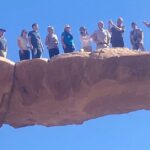
The Umm Fruth Rock Bridge stop is designed for photos. It’s a 15-meter-high bridge, and the tour notes it’s the ultimate picture spot in Wadi Rum. The helpful part: your guide stays on the ground and takes an impressive photo of you on top.
You still have to climb, though. Locals run up and down with ease, while tourists may find the climb a bit challenging. The good news is that small holes are made to help tourists get a grip and make it easier.
If you’re worried about height, bring your patience. The climb is short, but it’s real. Take it slow and think of it as an awkward workout, not a mountain expedition.
Outdoor Lunch by Fire: What You Eat Changes How You Remember This Day
Here’s one of the reasons this tour earns its high ratings: food isn’t treated like filler. It’s part of the experience.
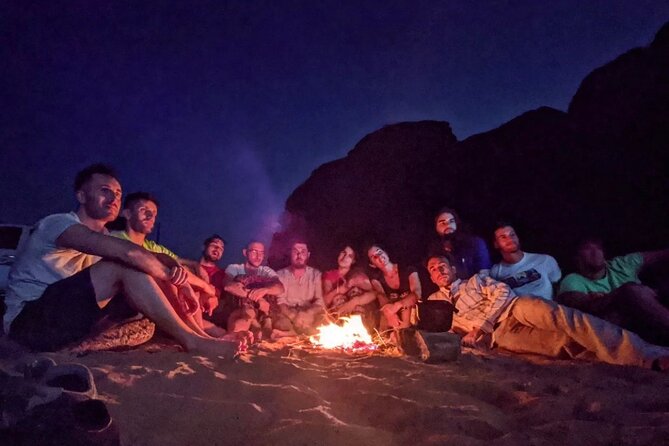
At the Traditional Bedouin Lunch stop, you eat in a place with a view while your guide cooks outdoors on the fire. The menu changes daily, but the description is consistent: vegetables, bread, hummus, yogurt, and other local treats.
The practical value is that you’re not searching for lunch in the desert. You’re fed, properly, at a time when energy matters—especially if you’ve been climbing and walking for hours. It also gives you an excuse to slow down. While lunch cooks, you can explore nearby or just sit and absorb the silence.
In the feedback I read, guides like Rashid stood out because they weren’t only driving from stop to stop. At lunch time, he cooked and shared Bedouin culture and family stories. That kind of conversation turns the meal into a memory, not just calories.
Abu Khashaba Canyon, Lawrence’s House, and the Geological Story Walk
After lunch, you shift from open viewpoints back into more “walk and notice” terrain.
Abu Khashaba Canyon: green contrast and a quiet walk
Abu Khashaba Canyon is a narrow valley with tall walls, and the best part is the contrast. The walk highlights a sense of life in the desert—lots of green, different trees and plants, and birds chirping.
There’s also a small detail that feels very human: locals hang bottles to collect rainwater so birds can drink. It’s a gentle reminder that people have been caring for these places through cycles you don’t see from a quick drive-by.
The walk takes about 30 to 45 minutes, and your guide picks you up on the other side. That means no backtracking grind.
Lawrence’s House: stone piles as road markers
Lawrence’s House ties Wadi Rum to the story many people arrive knowing: TE Lawrence and the larger narrative of caravans and passage routes. The tour framing is simple: Nabateans laid foundations over 2000 years ago, used as a stop for passing caravans, and later it became known as Lawrence’s house because TE Lawrence’s story in Lawrence of Arabia was associated with the site.
What you’ll actually see is a short climb to viewpoints plus a field of stacked stones. Those stacks were used by Bedouins as road markings. From the top, the view stretches into the desert plain—great for photos and for understanding how far distances really are out here.
White Desert, Mushroom Rock, and Burdah: The Shape-Spotting Portion
Later in the day you get a change of scenery that makes Wadi Rum feel bigger than people expect.
White Desert: different sand, different vibe
Wadi Rum is famous for red sand, but the White Desert stop shows a different world. The area transitions into white sand, with different rock formations and even changes in the texture. The tour also notes this region isn’t heavily visited, which usually means more chance to spot wildlife and see more flora.
Even if you’re not hunting for wildlife, the visual shift does something important: it refreshes your eyes. After hours of red tones, a white-to-red gradient on the horizon gives you a new kind of perspective.
Mushroom Rock: shelter shapes from erosion
Mushroom Rock looks funny on purpose. The shape comes from erosion where the lower part wears out faster than the upper part. It’s a fun photo stop and, practically, a place where the formation can offer shelter from the sun.
Bedouins used rock formations like this to seek shade while walking in heat for hours. So the weird shape isn’t just decorative—it served a job.
Burdah Rock Bridge: why you only admire this one from near the route
At Burdah Rock Bridge, you stop close enough to admire it from a distance. The tour notes a full climb to the bridge can take up to 4 hours, and that hike isn’t included on this jeep route. If you want it, you can book an extra hiking tour or request it.
This is where you decide what kind of Wadi Rum day you want. If you prefer staying with the schedule, you’ll enjoy the bridge viewpoint without committing to a long climb. If you crave more challenge, you’d need a separate hike.
Sunset Viewpoint Tea: The Moment That Makes Stargazing Feel Worth It
Wadi Rum sunsets are famous, and this tour builds the timing around that reality.
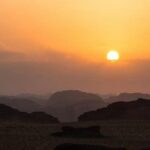
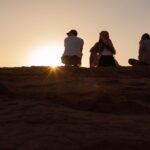
At the Sunset Viewpoint, you’ll go to a secluded spot overlooking the wide desert terrain as the sun drops. While you watch, the guide prepares sweet Bedouin tea on a fire. You’ll sit on a mat or in the sand.
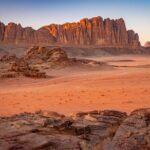
This stop matters because sunset light changes everything you saw earlier. The red tones deepen, shadows sharpen, and even rock textures look dramatic. More than that, the calm here sets you up for the next step: overnight sleeping in the open near a remote cave for stargazing.
If your guide is talkative, ask a question here. It’s easier to focus in that quieter hour.
Cave Overnight for Stargazing: Sleeping Gear and a Night You Can’t Rush
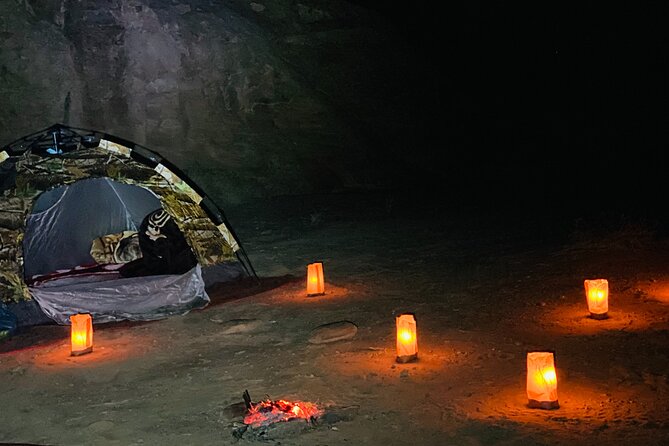
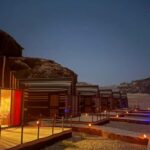
The core promise of the second day is obvious: you sleep near a remote cave for stargazing. The tour includes mattress and blankets, plus you get dinner, so you’re not juggling food after sunset.
One useful way to plan: assume night conditions outside the cave can feel colder than you expect, even if the day is hot. You’ll be fine thanks to the provided bedding, but if you run cold, bring a light layer for comfort.
Also think about darkness. Stargazing is best when your eyes adjust, and it’s helpful to keep any bright lights to a minimum. That’s not a tour rule—just smart for comfort and for seeing more stars.
The feedback I saw emphasized night sounds too. One group described hearing dogs barking late, with a question of whether it was a wolf. Either way, those sounds are part of what makes the night feel alive and real, not staged.
And yes, some groups also mention extra desert fun like camel rides and sliding in the sand. Those details aren’t guaranteed on every schedule, but they fit the spirit of Wadi Rum when your guide wants you to have more than just photos.
Day Two Sunrise Breakfast and Getting Back to the Rest House
Day 2 starts with breakfast at the cave area. The tour lists breakfast usually around 07:00 to 08:00, and you wake up to a panoramic view of the Wadi Rum terrain with sunrise.
This is a quieter morning, which is exactly what you want after a long day of stops and climbing. Breakfast time also lets you enjoy the view one more time without rushing for the “next thing.”
After breakfast, you get dropped back at the Rest House in Wadi Rum Village, commonly around 09:00. The tour ends back at the same meeting point where you started, which is helpful for keeping the rest of your day simple—especially if you’re staying in the Aqaba area.
Price and Value: What $123.76 Buys You in Real Terms
At $123.76 per person, this isn’t a budget “sit on a bus” tour. But it also isn’t priced like a luxury private camp either. You’re paying for a schedule that would be hard to copy yourself safely and efficiently, plus a full desert day with meals and overnight sleeping gear.
Here’s the value logic that matters:
- Two days for one price: a full-day jeep tour plus an overnight cave experience
- Meals included: lunch, dinner, breakfast, tea, plus bottled water
- Sleeping gear included: mattress and blankets
- Transport included: transfer to and from Wadi Rum Village
You also get a group size cap of 15, which usually improves comfort and reduces downtime.
The only extra cost mentioned is if you need a visitors center transfer, which costs 10 JOD if you book it separately. If you’re already in the right place to start at the Rest House, that won’t matter much.
Who This Tour Suits Best (and Who Should Pick Something Else)
This tour is a strong fit if you want Wadi Rum without planning chaos. It’s especially good for:
- First-timers who want the top sights in one sweep
- People who like photos but also want short walks and real climbing moments
- Anyone who values guides who talk—not just drive
- Couples, friends, and small families who want a more personal group feel
It may be a less perfect match if you:
- Hate heights or climbing even for short distances
- Want long, slow museum-style exploration at each site
- Expect no exertion at all—this day includes dunes and rock bridge climbs
Should You Book the Wadi Rum Full Day Jeep Tour with Cave Stargazing?
Yes, I’d book it if you want a desert day that feels complete. The combination of jez-ride highlights, outdoor Bedouin meals, and then the overnight cave setup for stargazing is the kind of package that saves time and reduces stress.
If you do book, aim to show up ready for active parts. Bring sunscreen, water-aware habits, and comfortable footwear for sand and rock. And if your guide is someone like Rashid, don’t just watch—ask questions during tea and lunch. That’s where the day gets personal.
FAQ
FAQ
What time does this tour start?
It starts at 10:00 am from the Wadi Rum Rest House in Wadi Rum Village.
How long is the Wadi Rum tour?
The experience runs for about 2 days.
Is lunch and dinner included?
Yes. Lunch on Day 1 and dinner on the overnight day, plus breakfast are included. Tea and bottled water are also included.
Where do you sleep for stargazing?
You sleep outside in a cave, and the tour provides a mattress and blankets.
What’s not included in the price?
A visitors center transfer is not included, and it’s listed as 10 JOD if you book it separately.
Is this a small-group tour?
Yes. The group is capped at a maximum of 15 travelers.